Les déchirures
The Architecture of Rupture
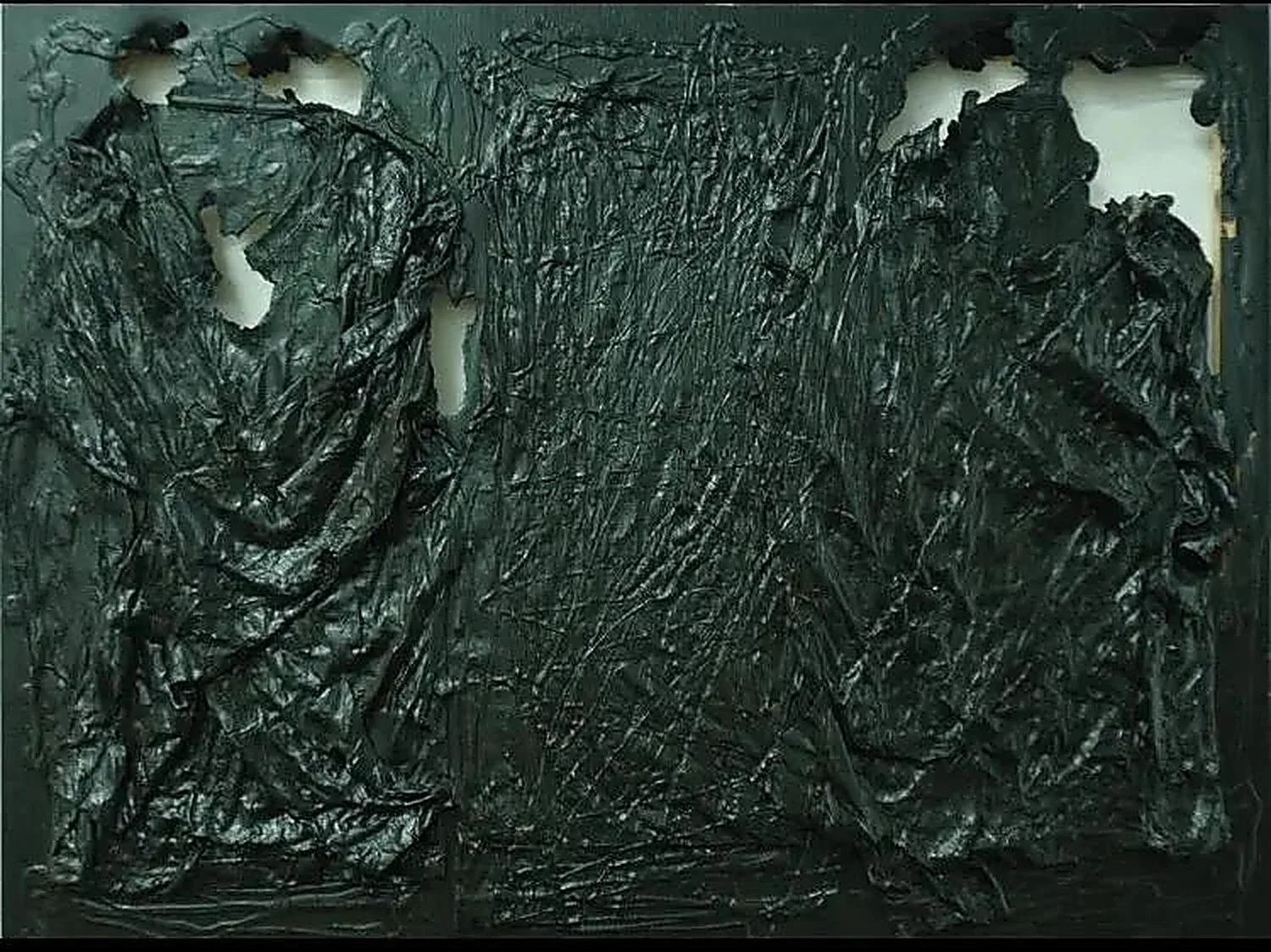
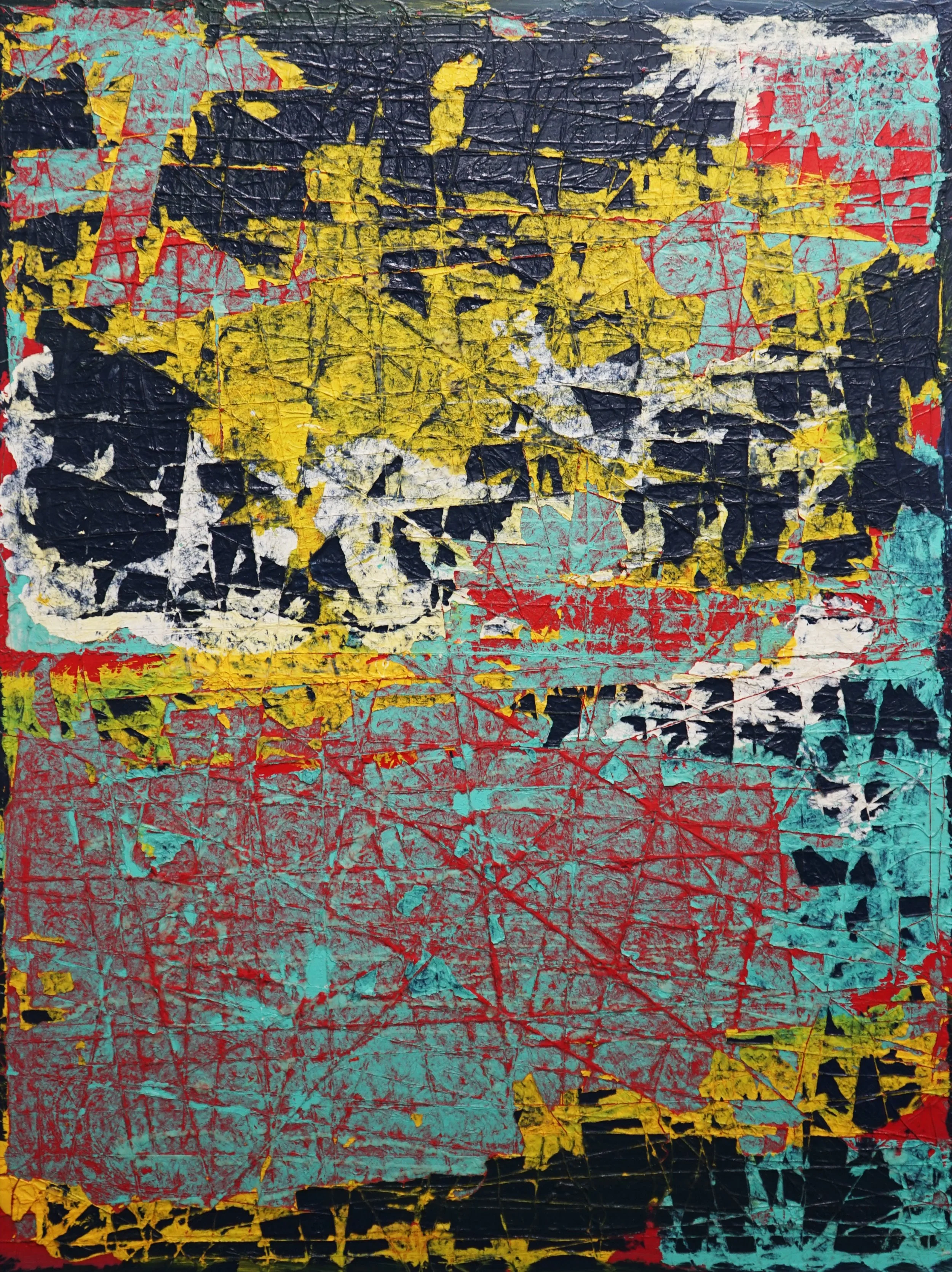
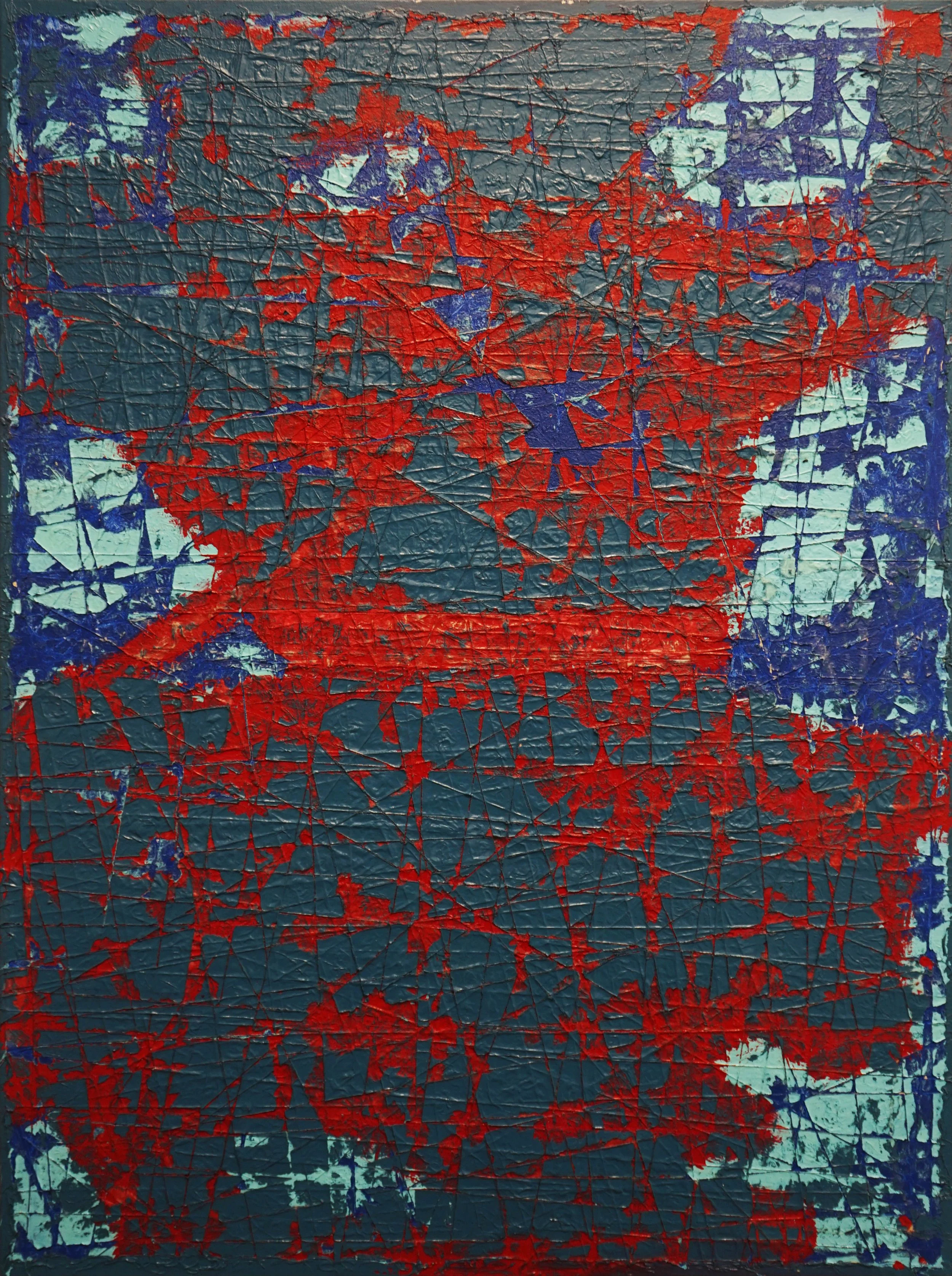
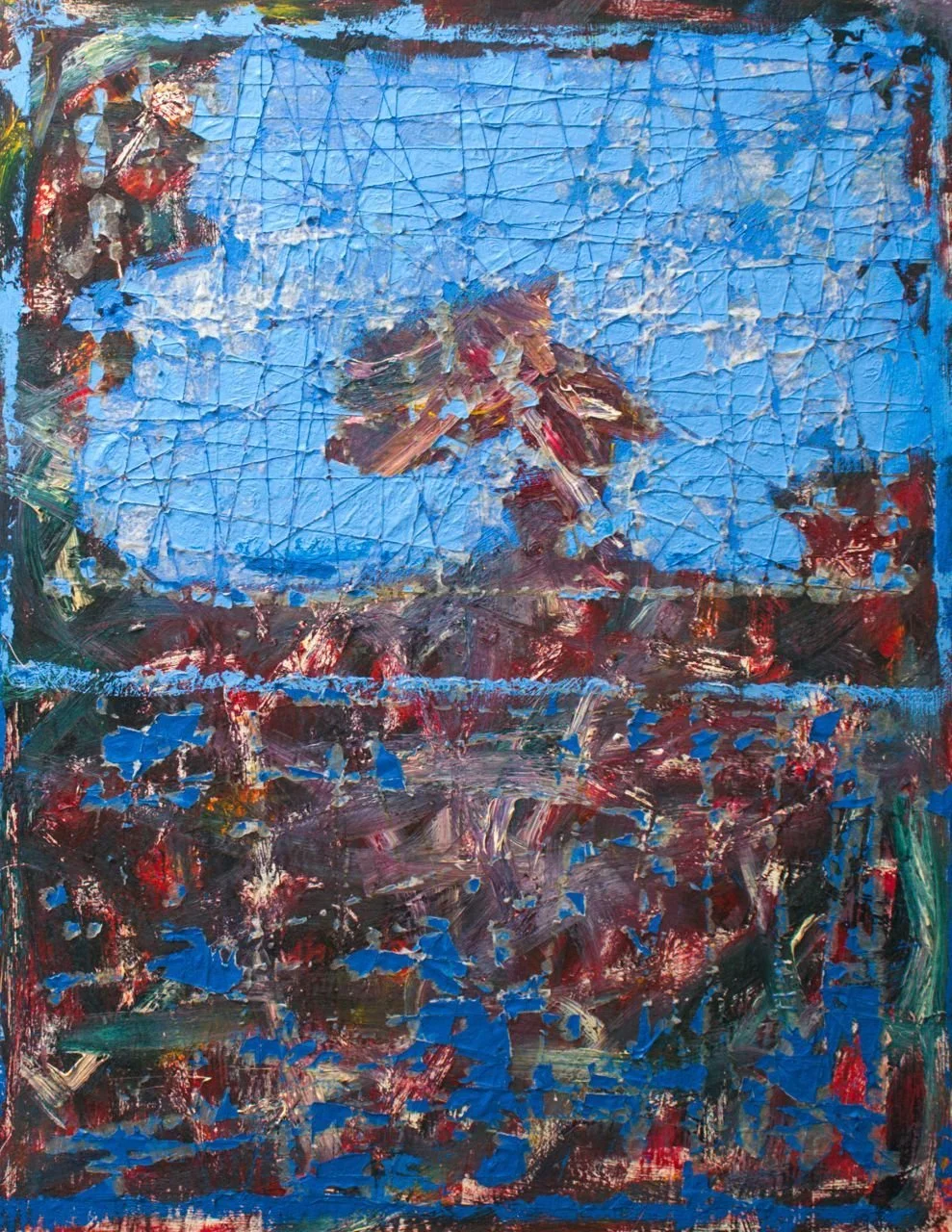
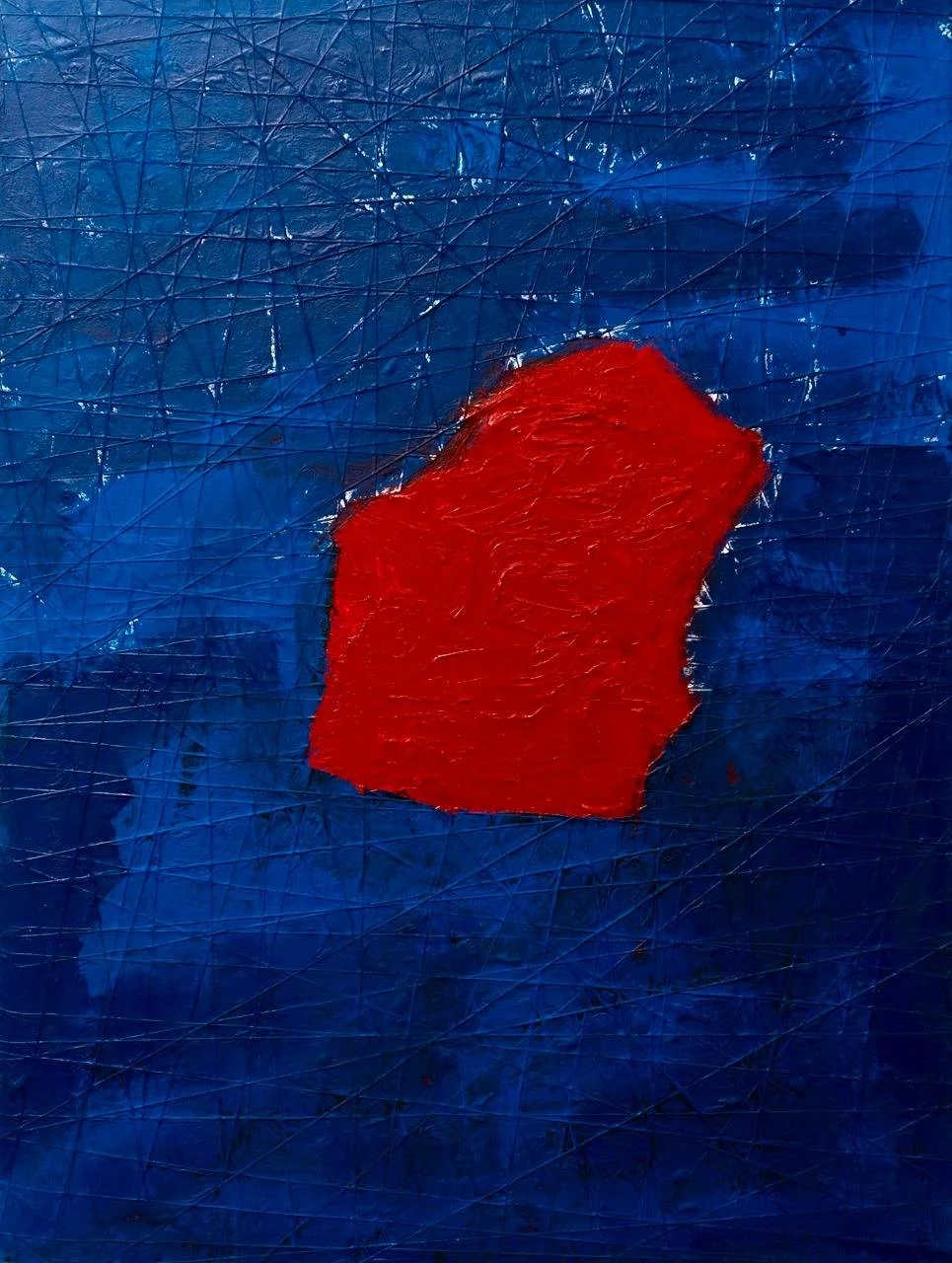
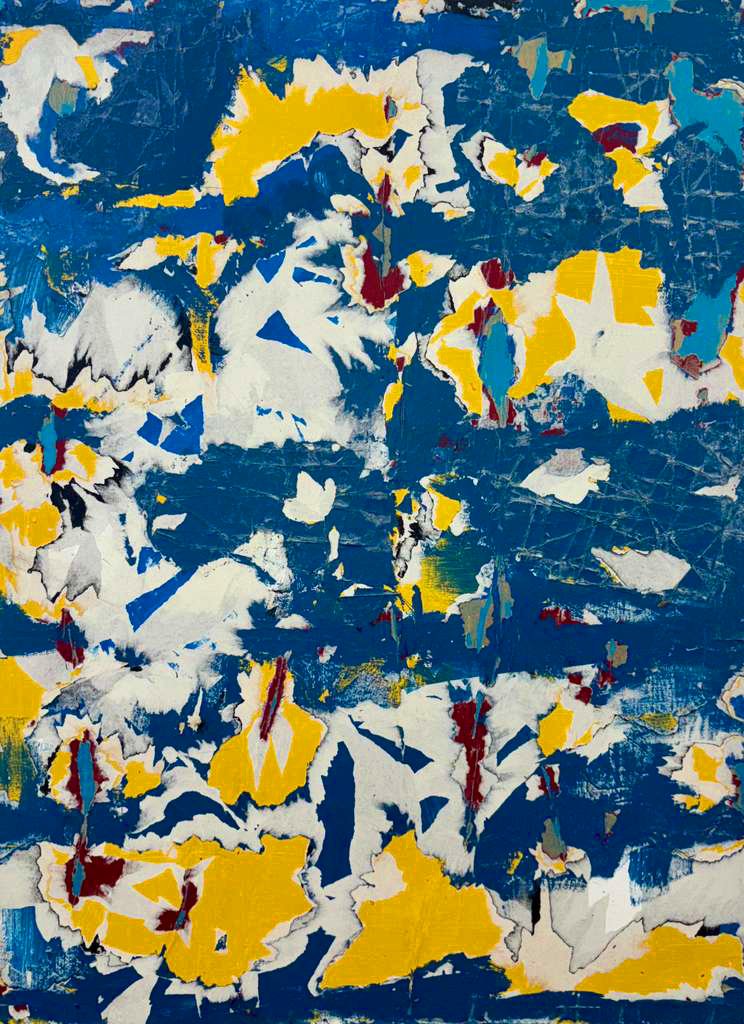
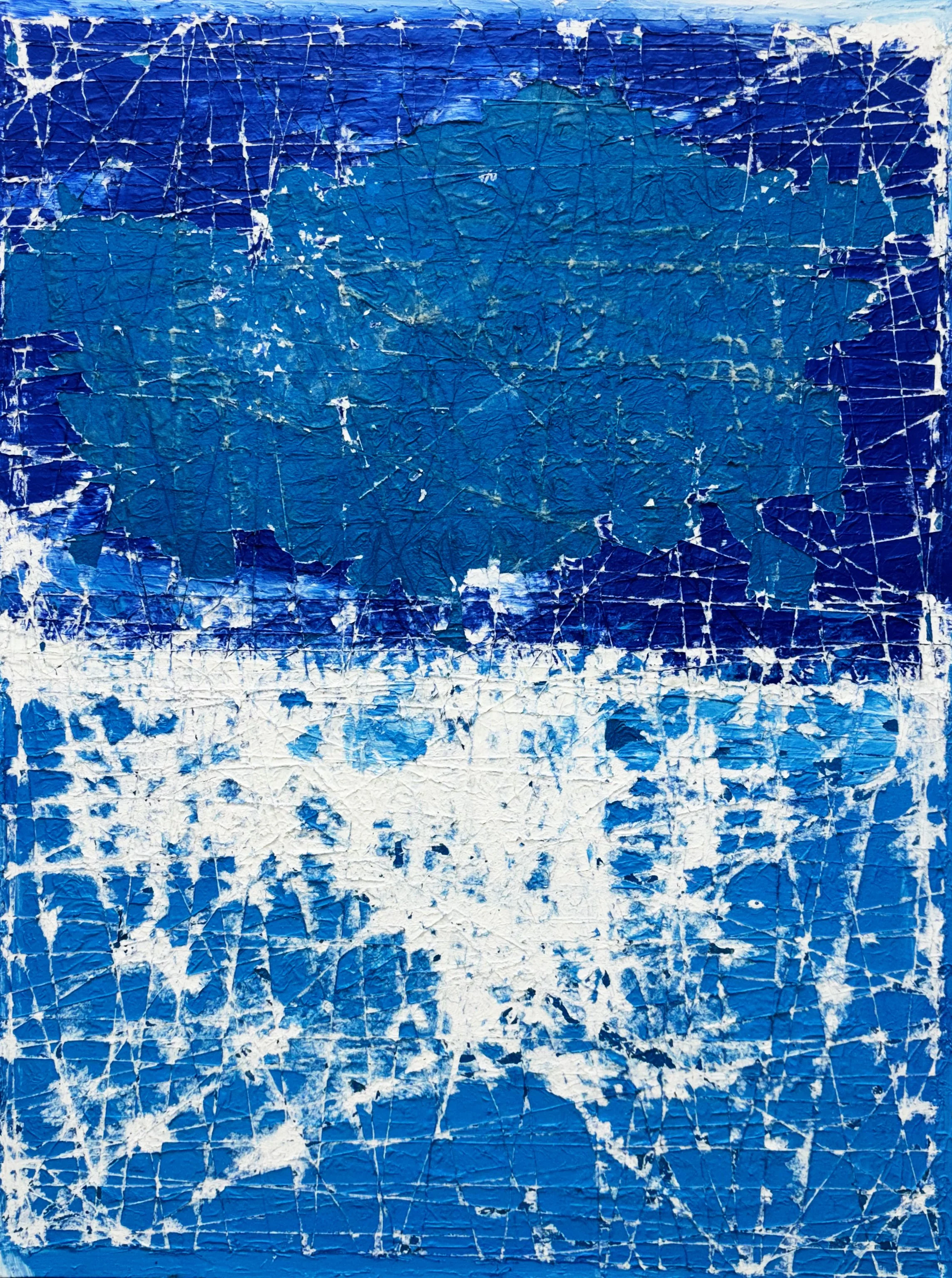
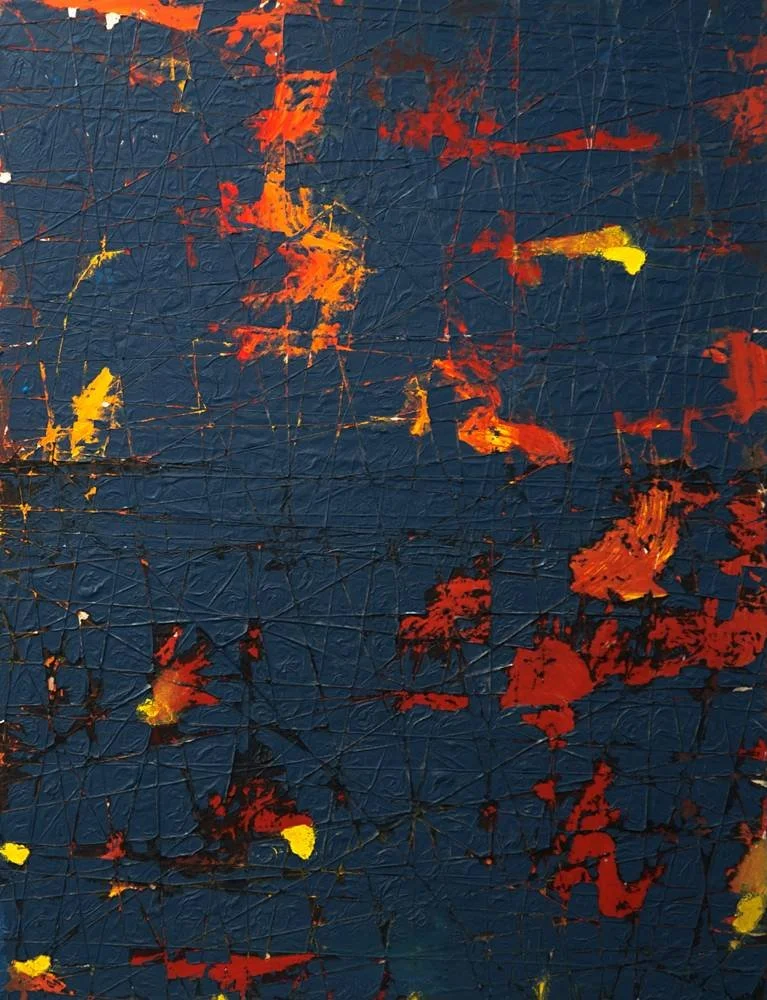
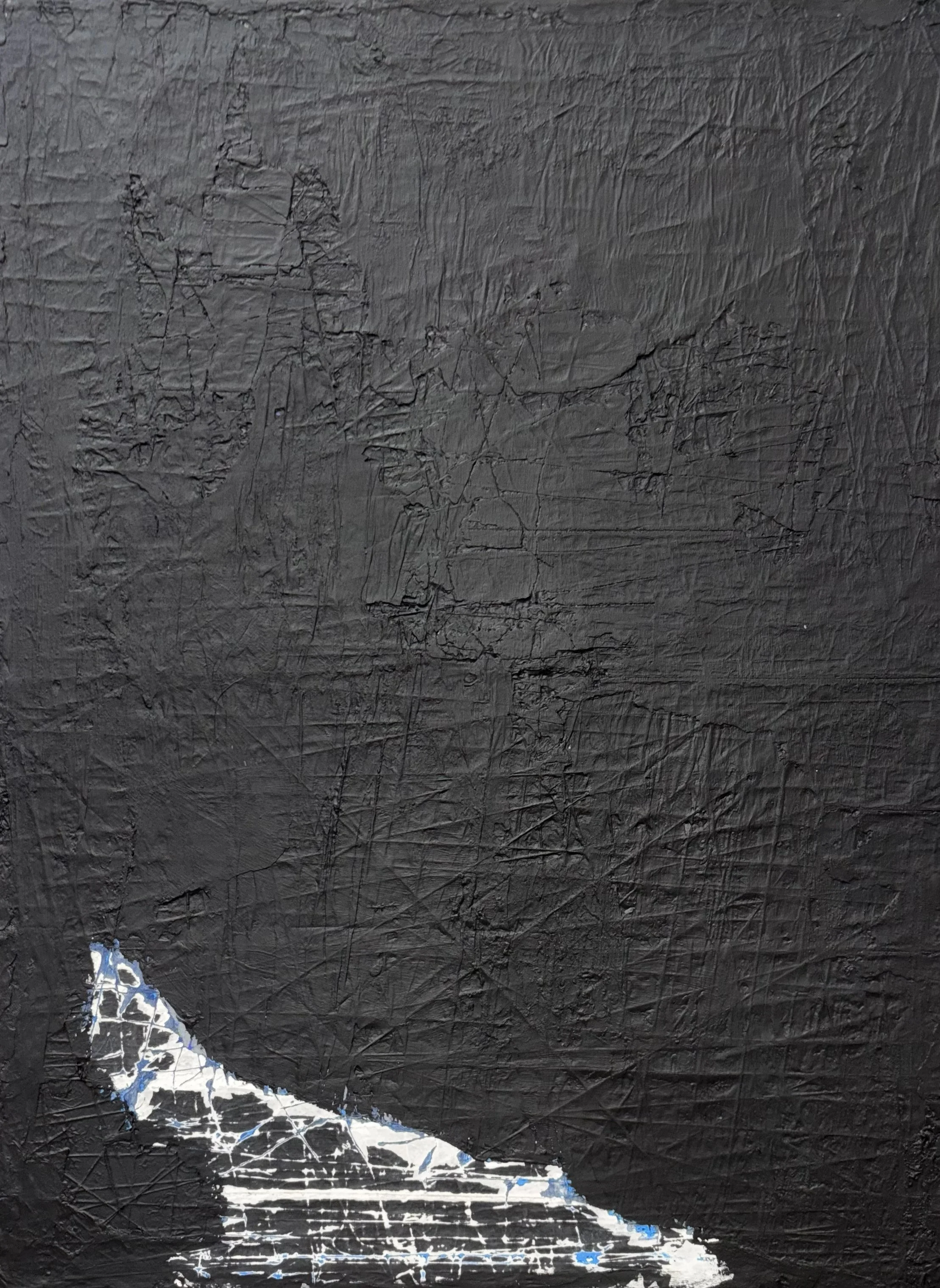
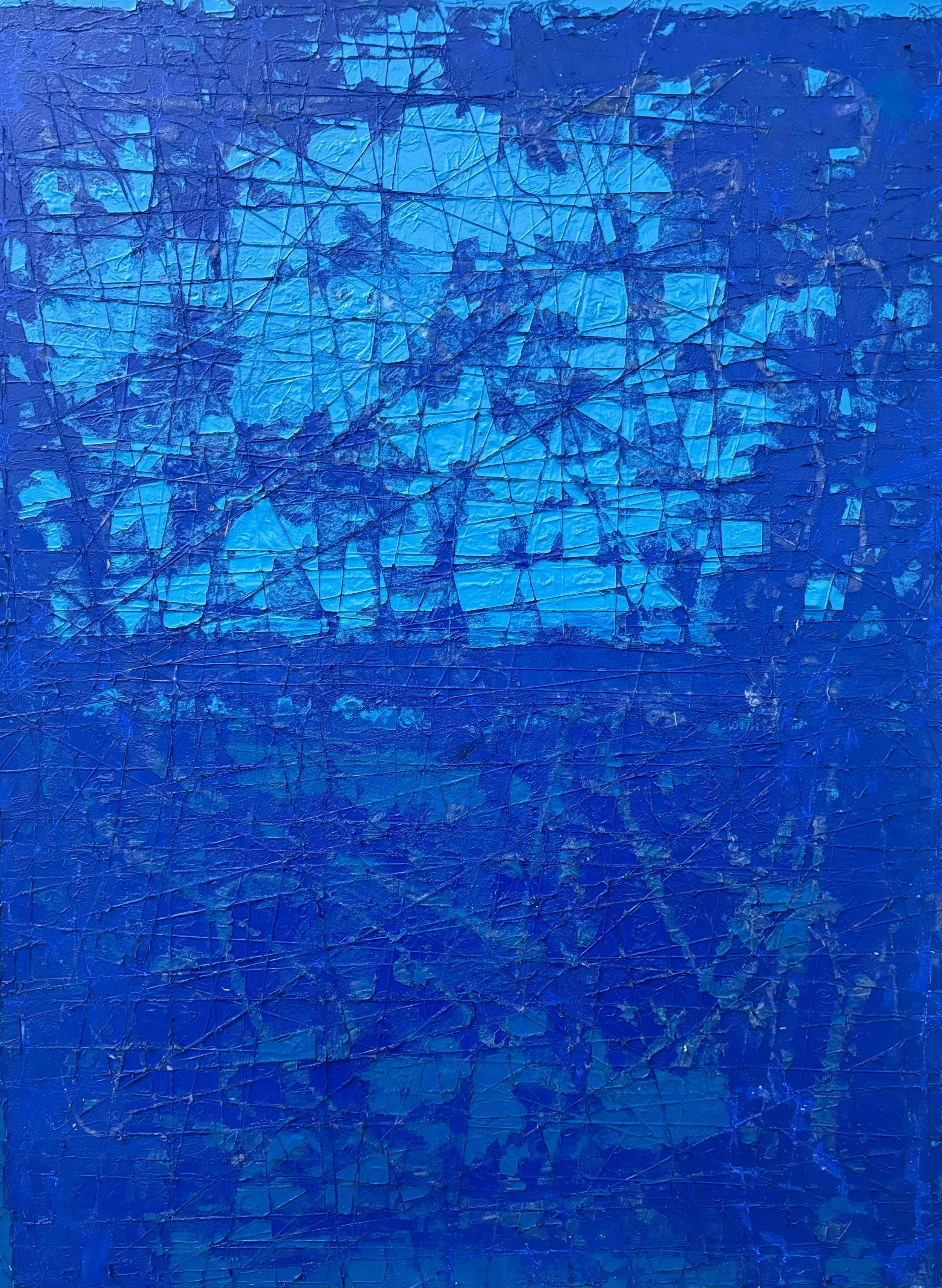
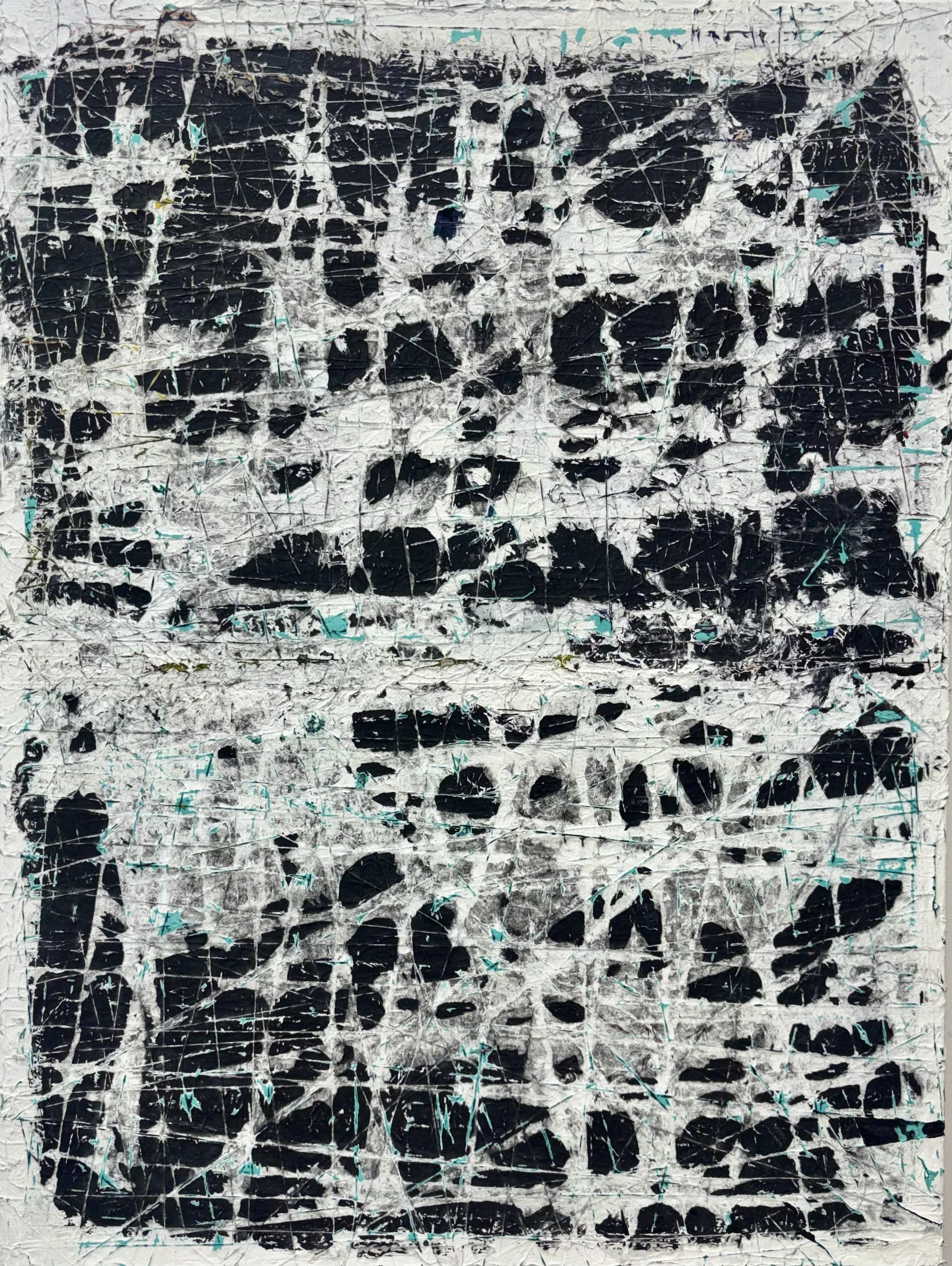
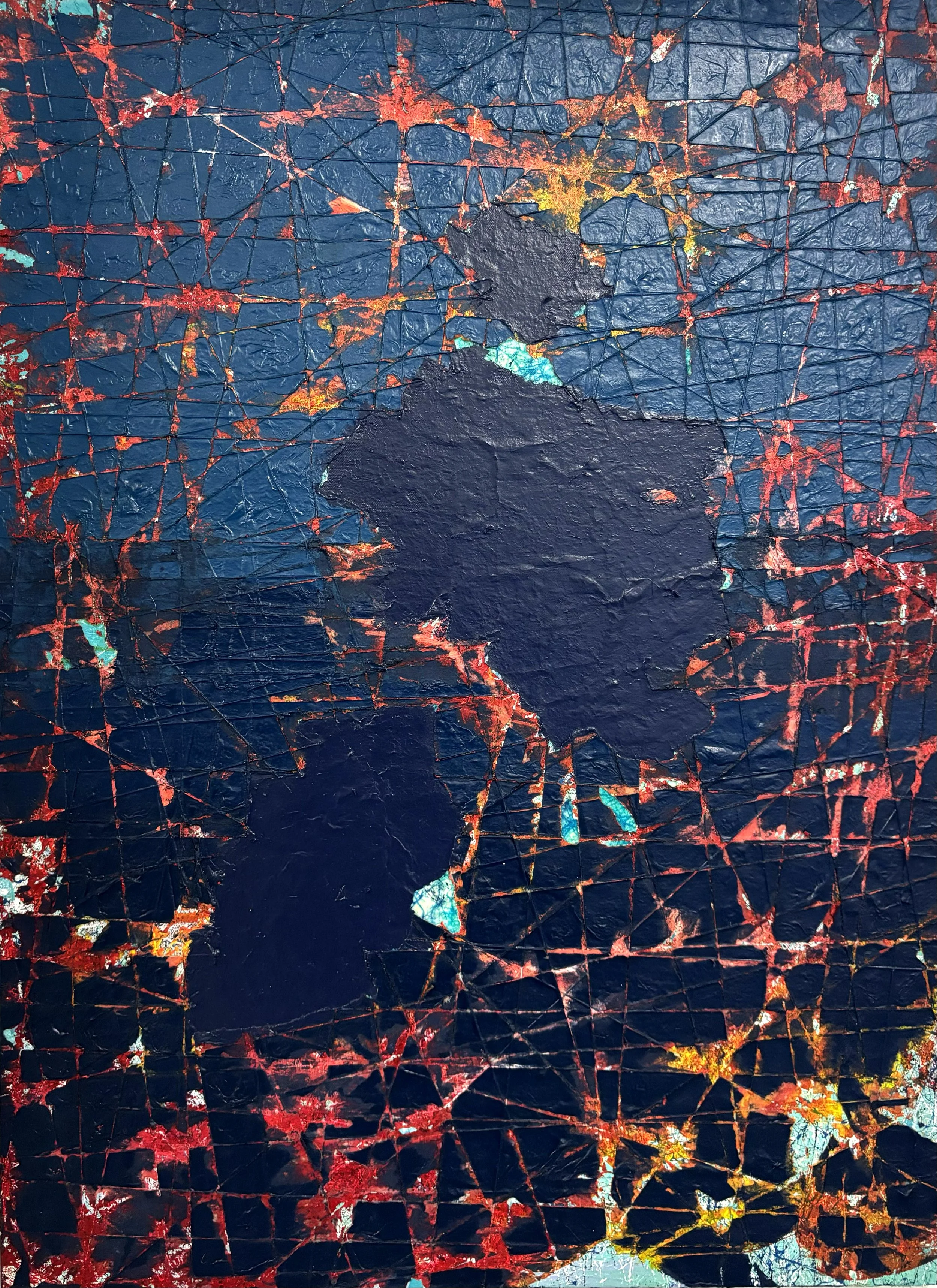
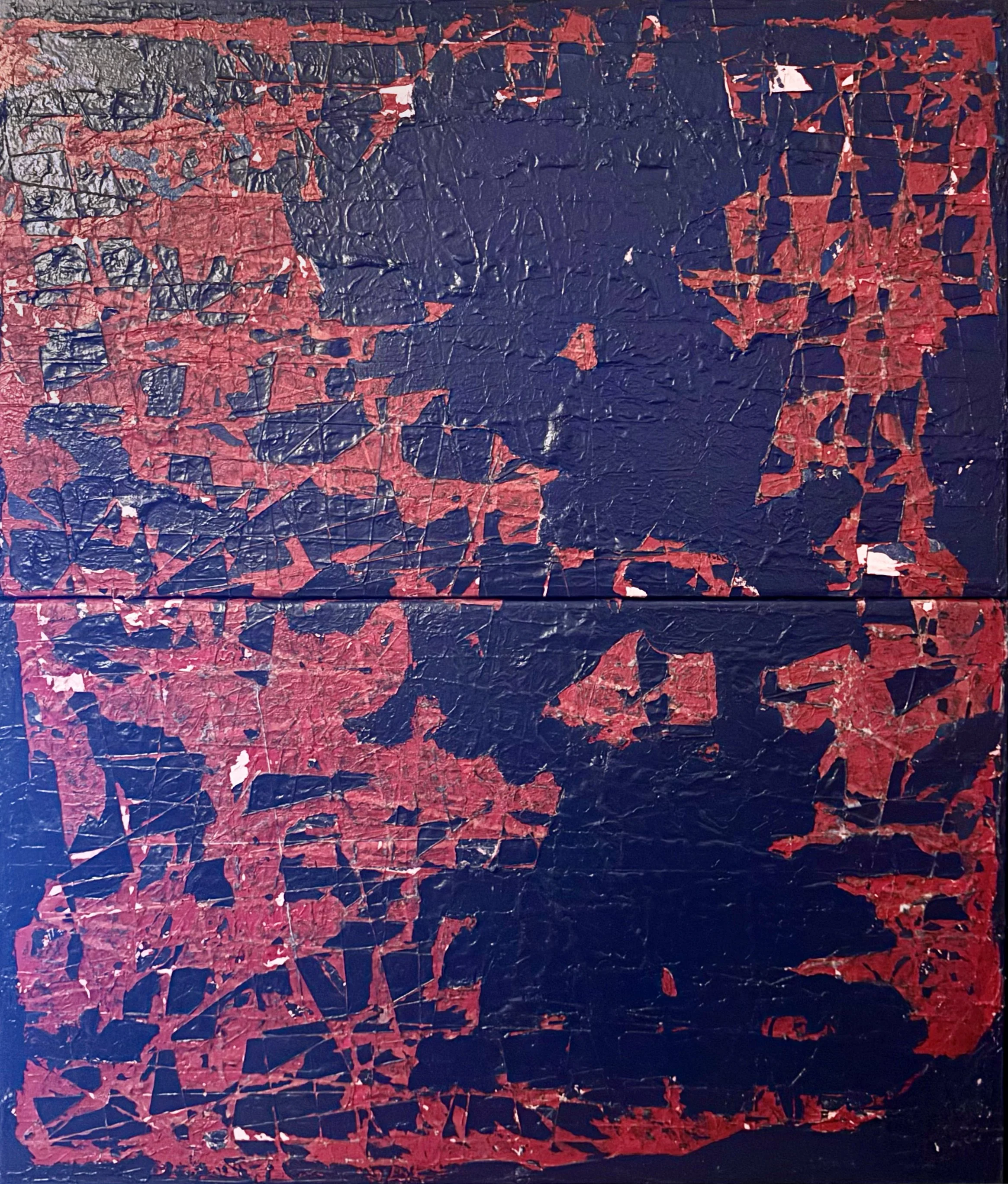
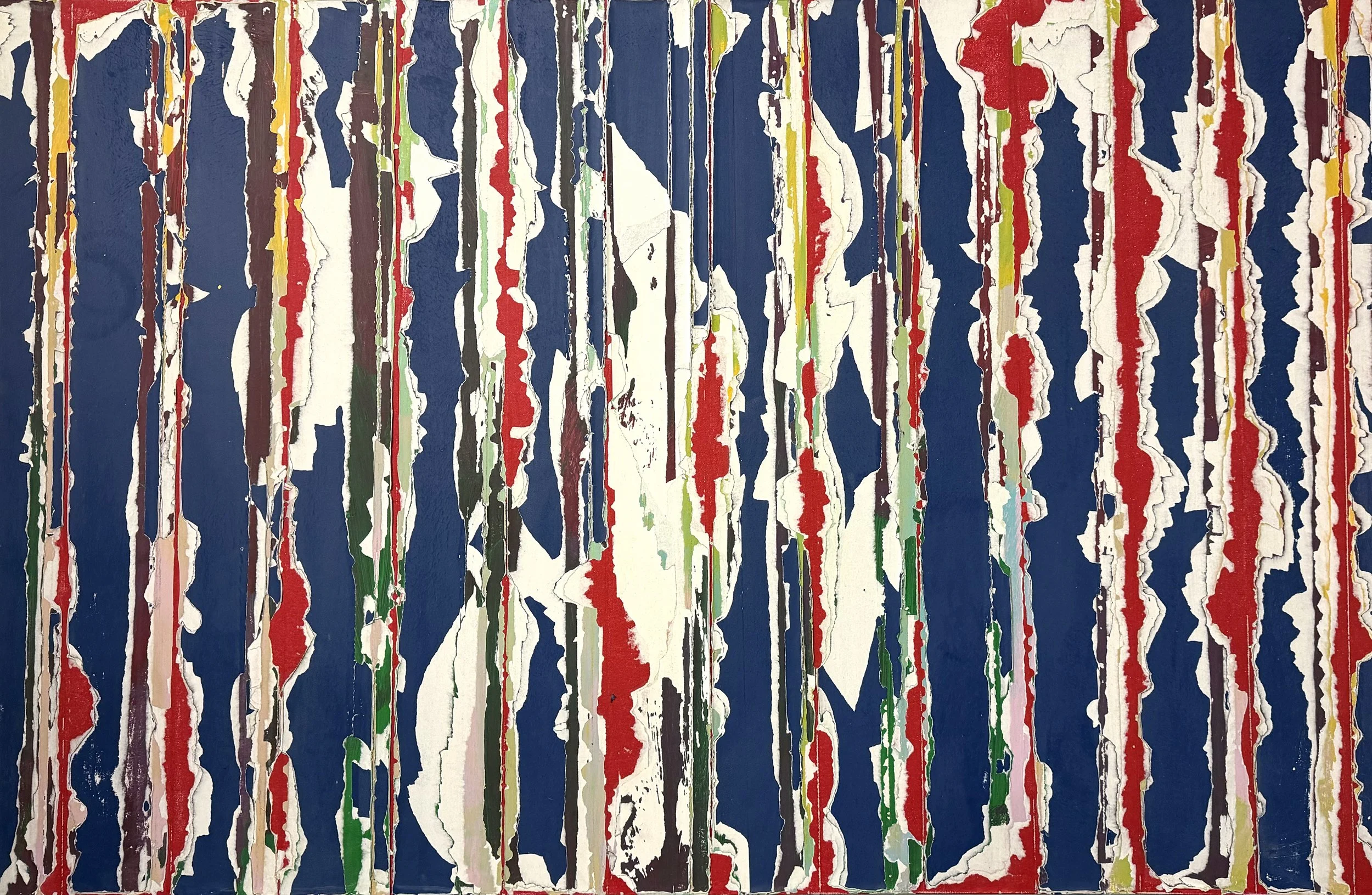
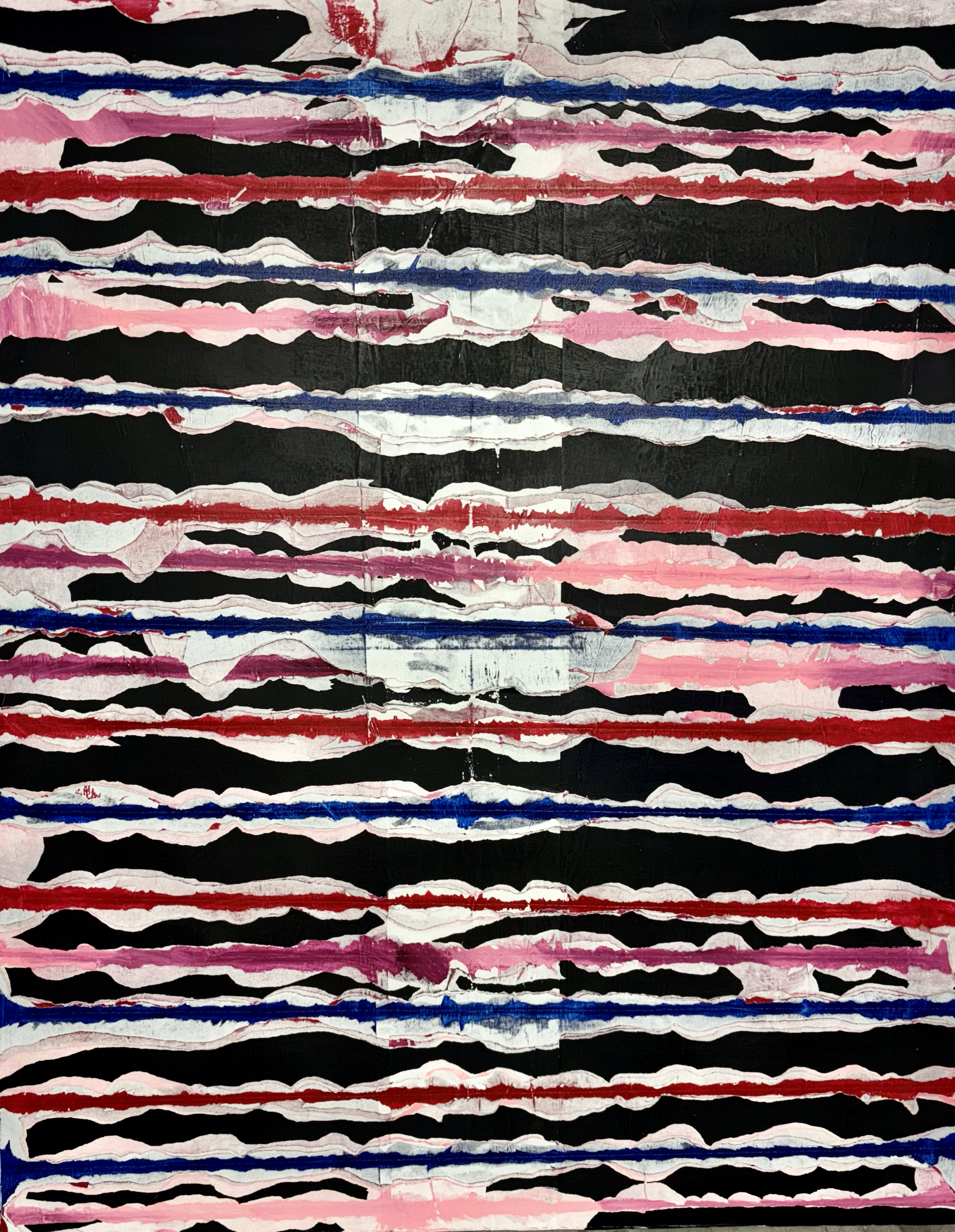
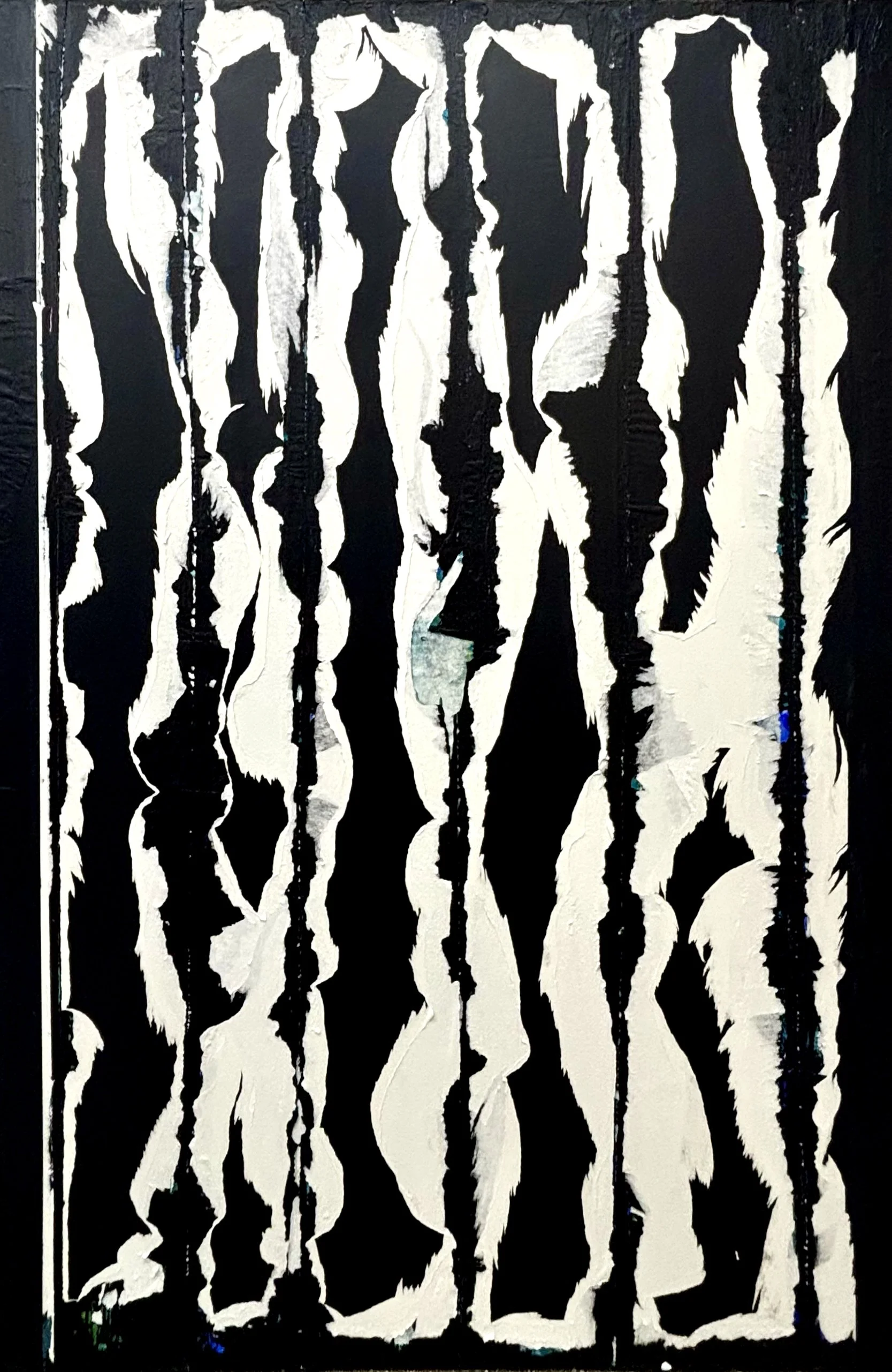
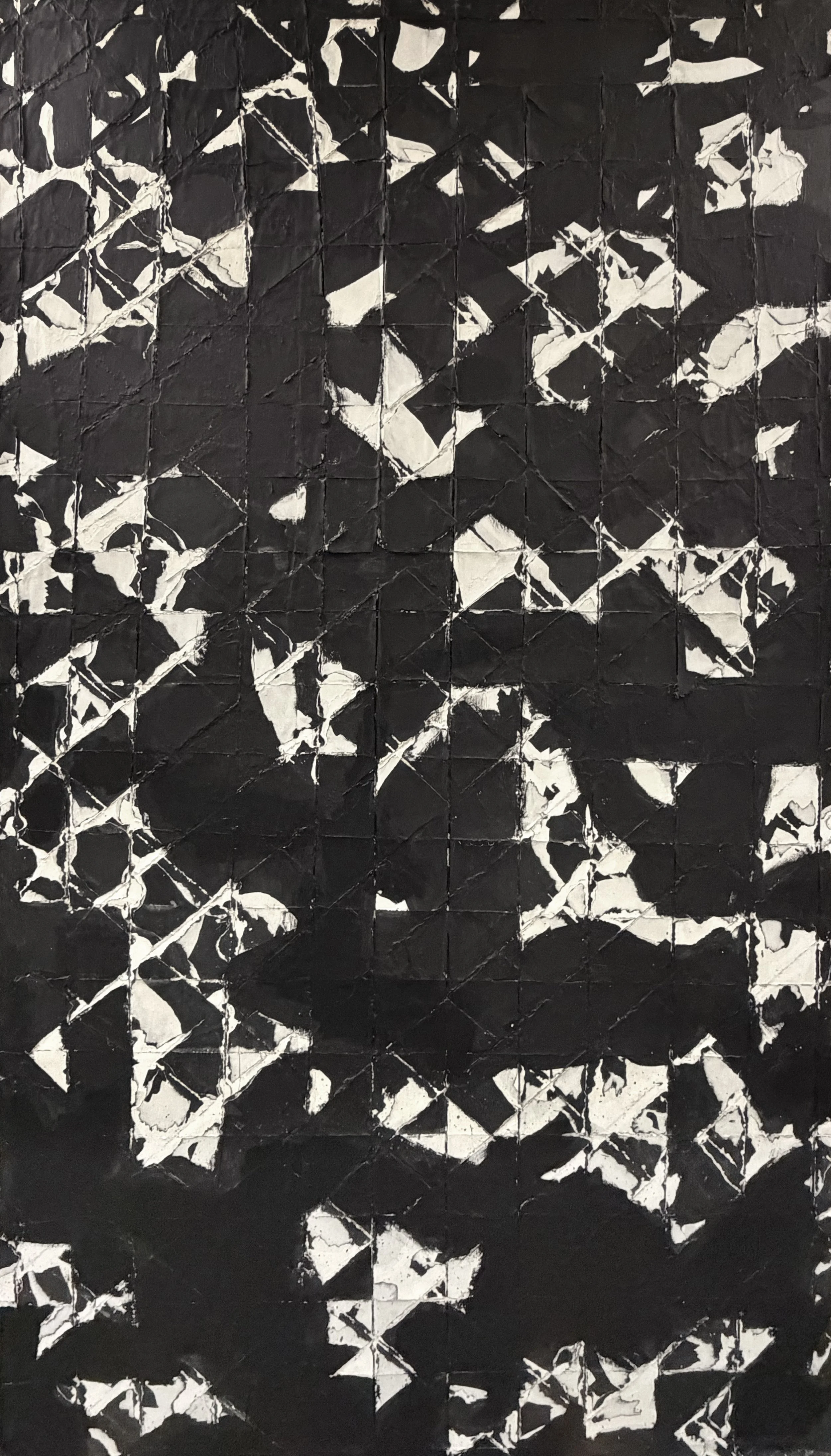
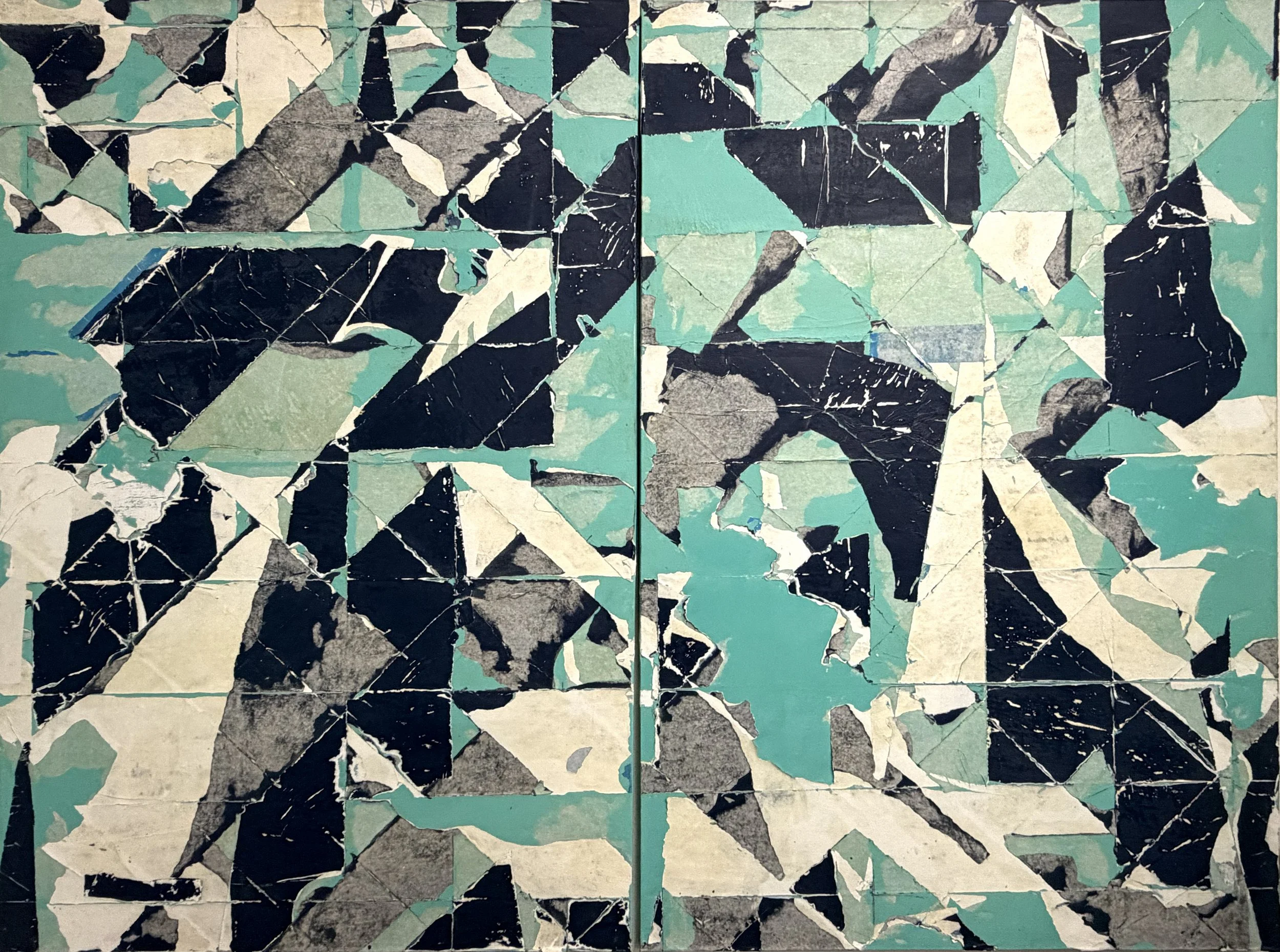
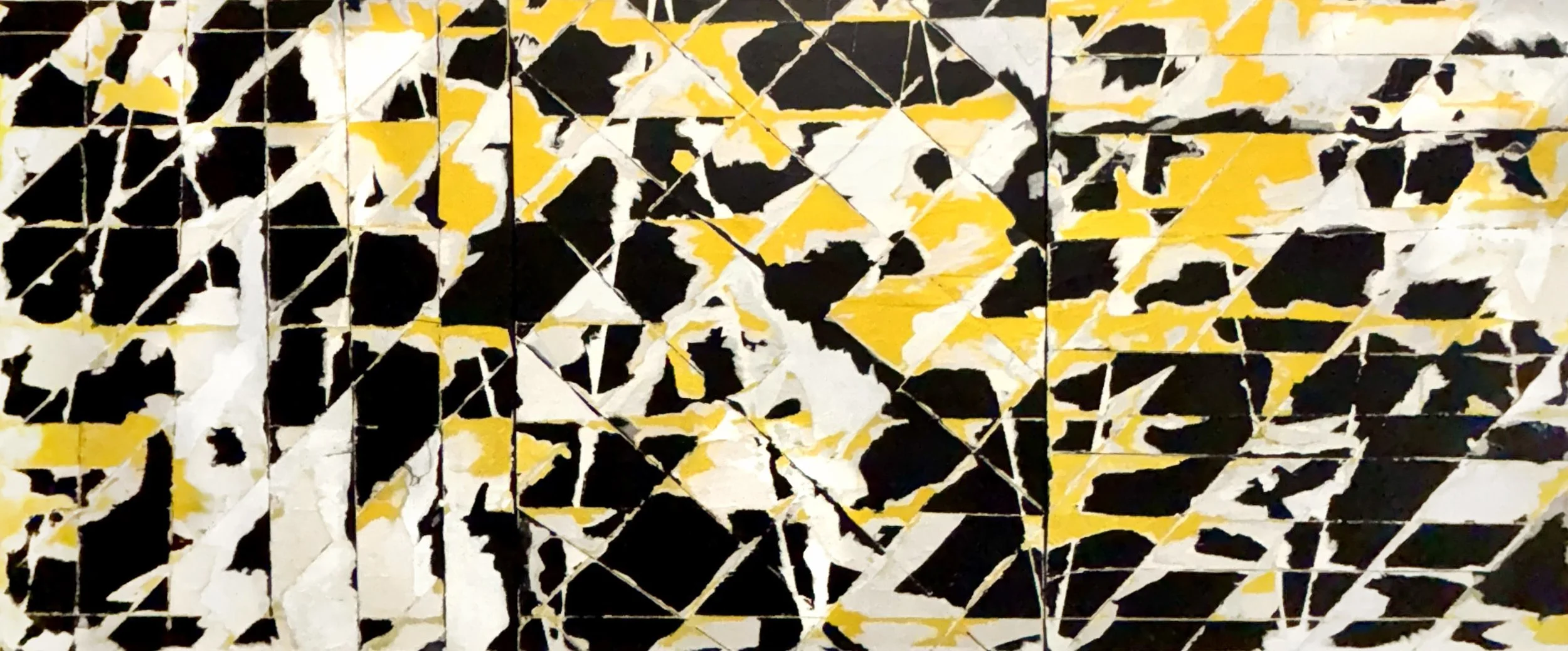
Les Déchirures marks Bentama’s decisive shift into radical abstraction, where the "déchirure" (the tear) becomes the structural foundation of the work. In this series, the canvas acts as an analogy for the body: the raw matter is layered like bandages and medical dressings, wrapping around
the trauma to hold the surface together. These works present a dense network of fractures, a physical map of endurance where the support has reached a breaking point yet refuses to collapse. Beneath this protective web of tension, vibrant primary colors pulse with unbreakable energy, proving that even within the rupture, the vital essence remains intact. This series defines the core of his inquiry: the moment where the crack,
reinforced by these textural sutures, becomes the very site where life persists.
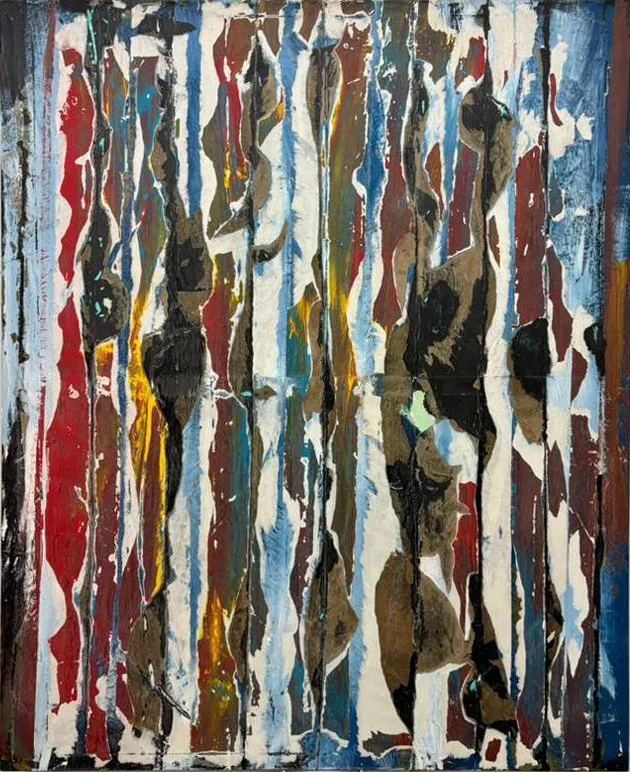
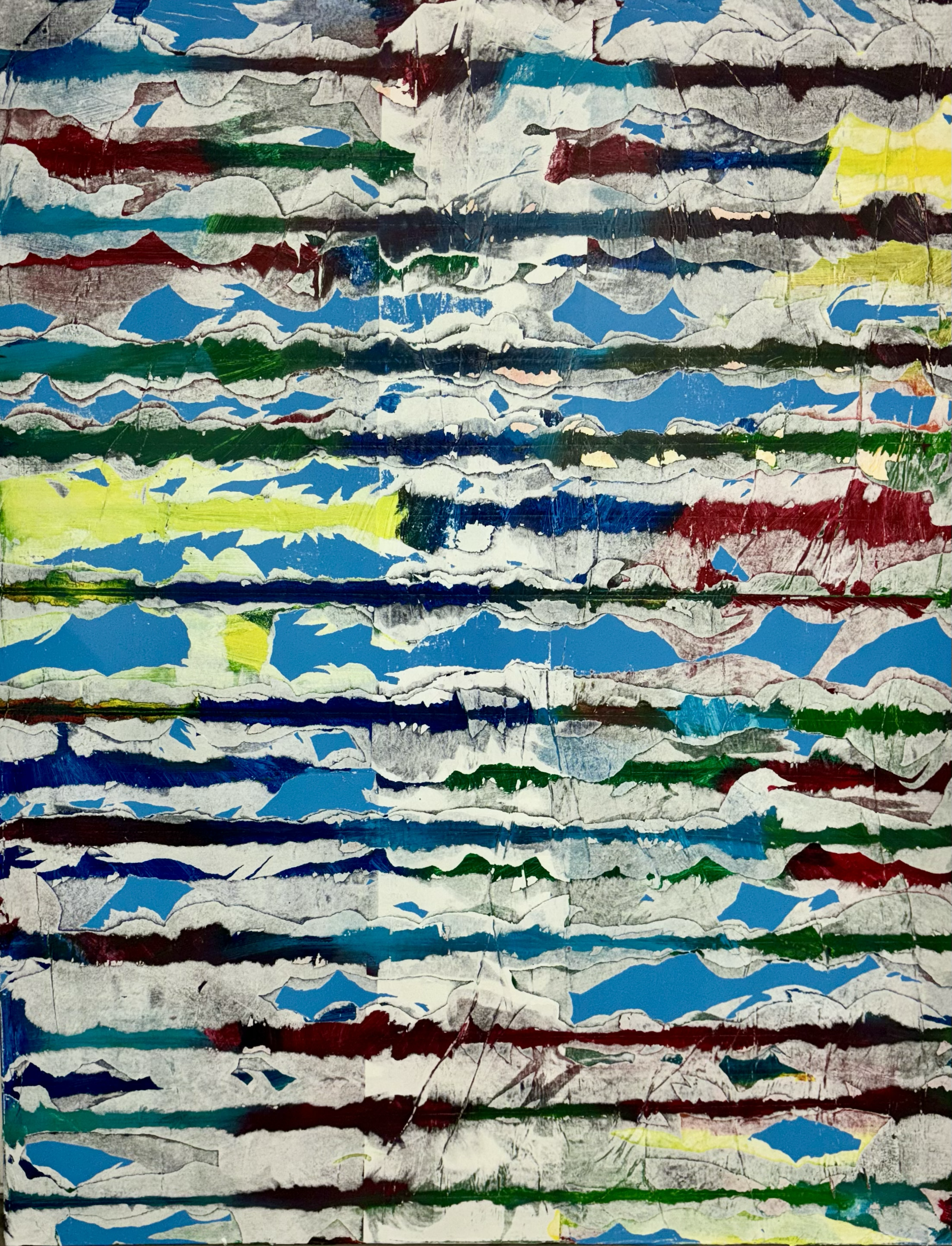
RESIDUAL SOUL LAYER
The Inner Architecture
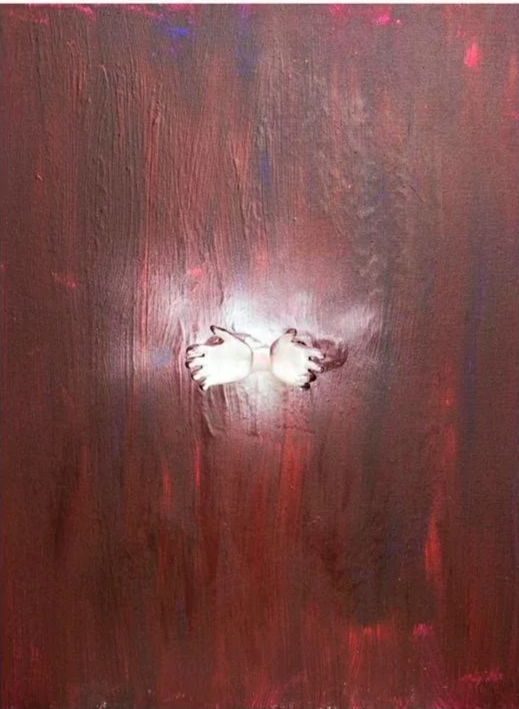
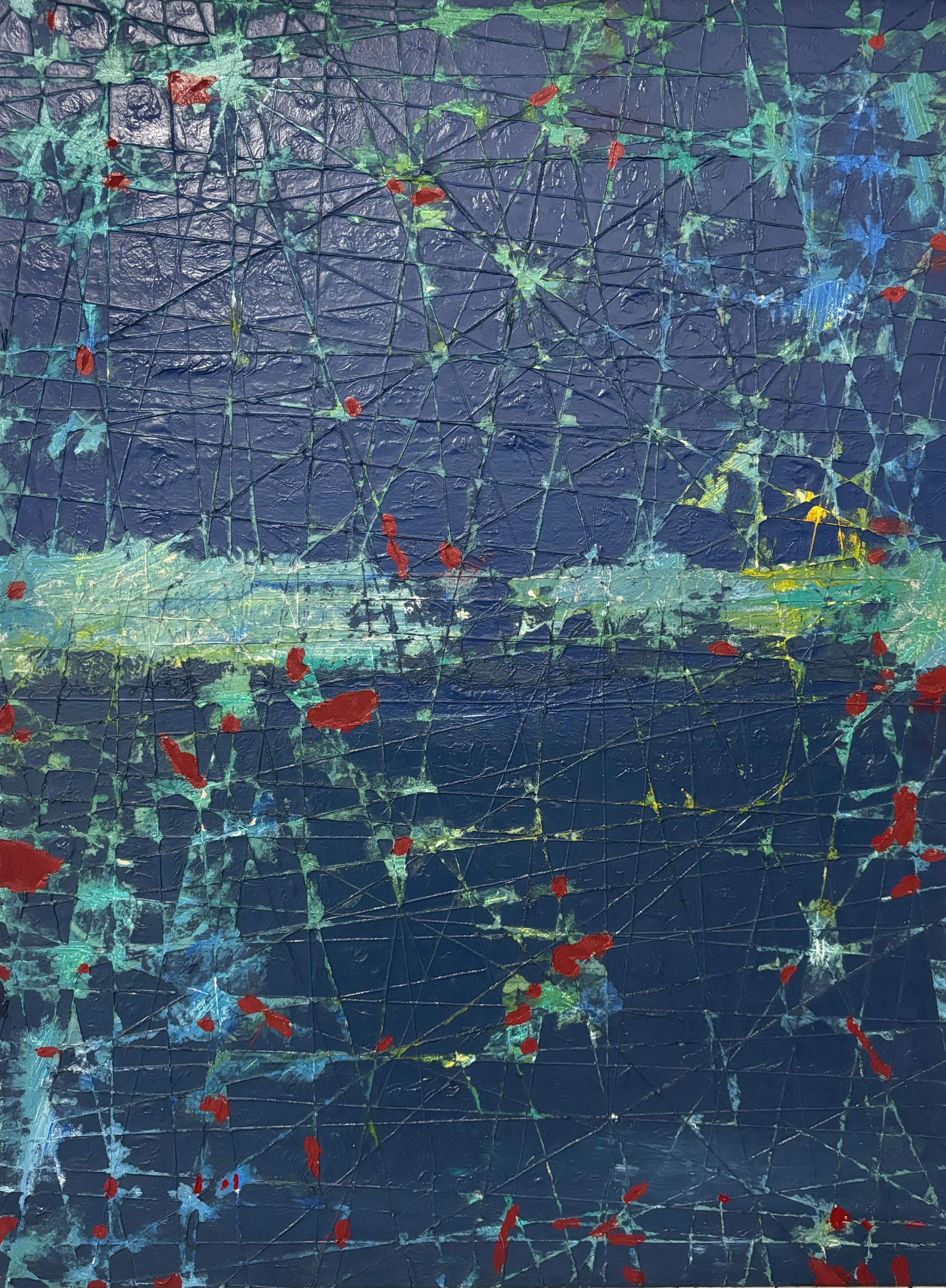
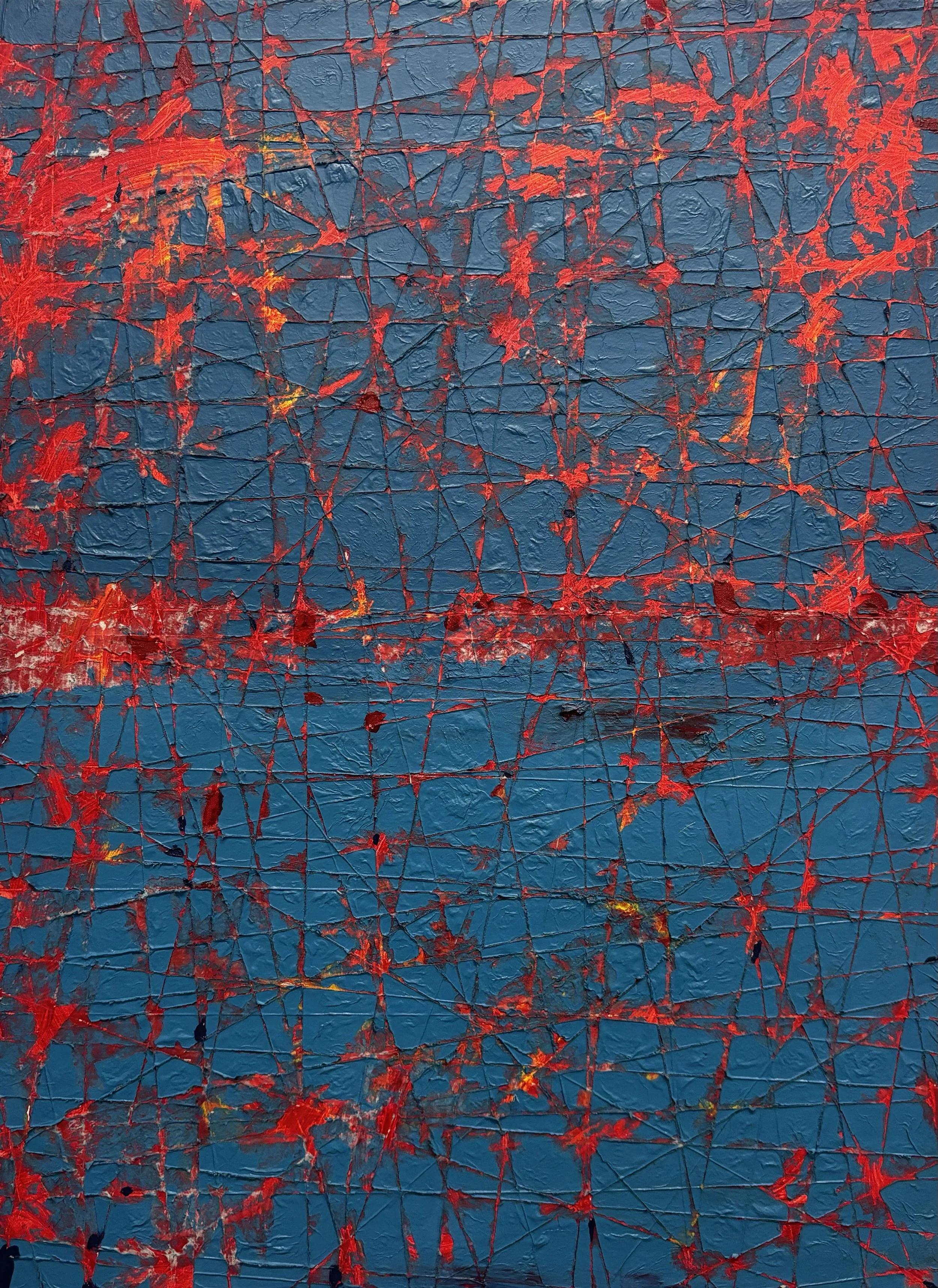
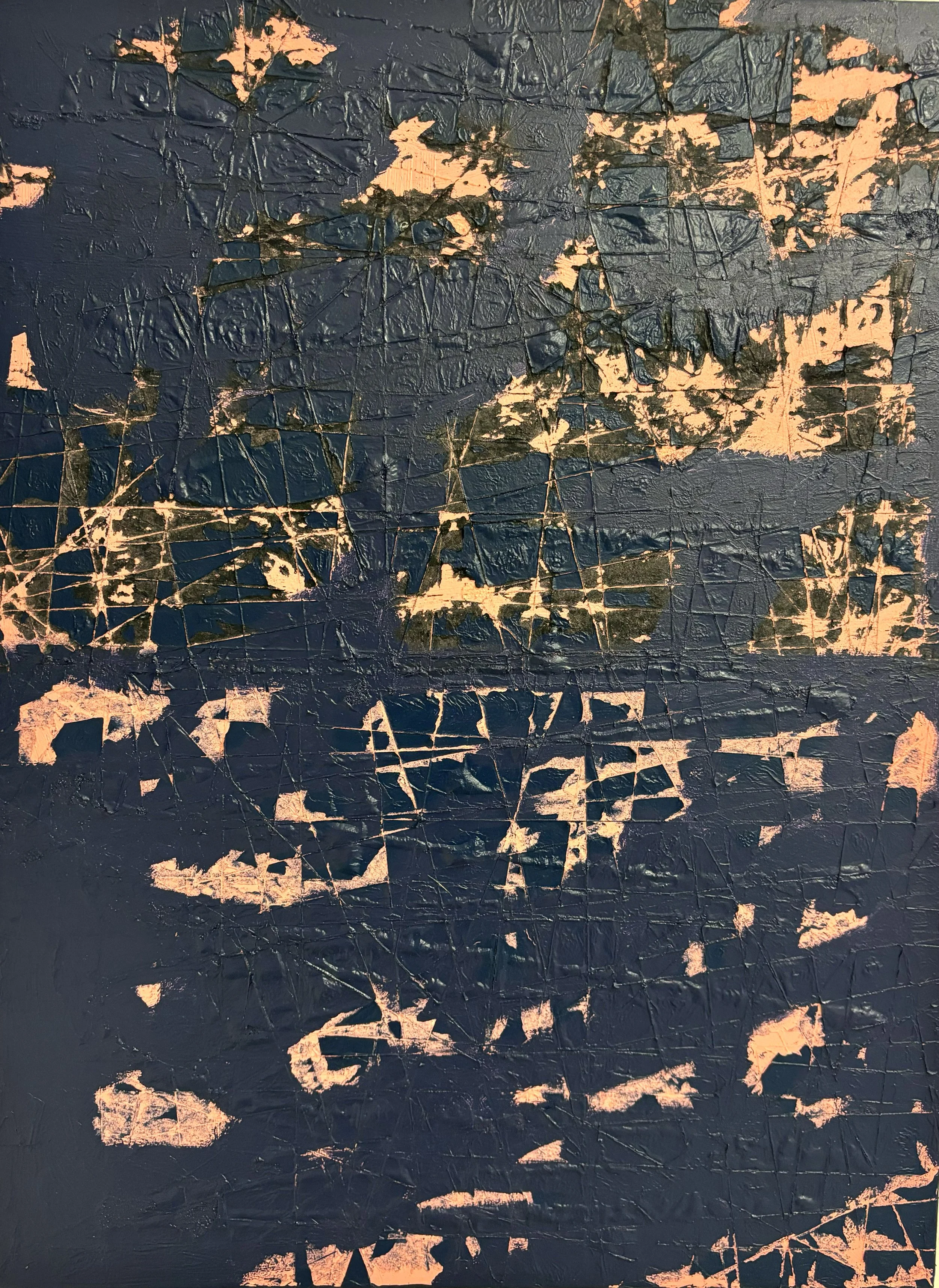
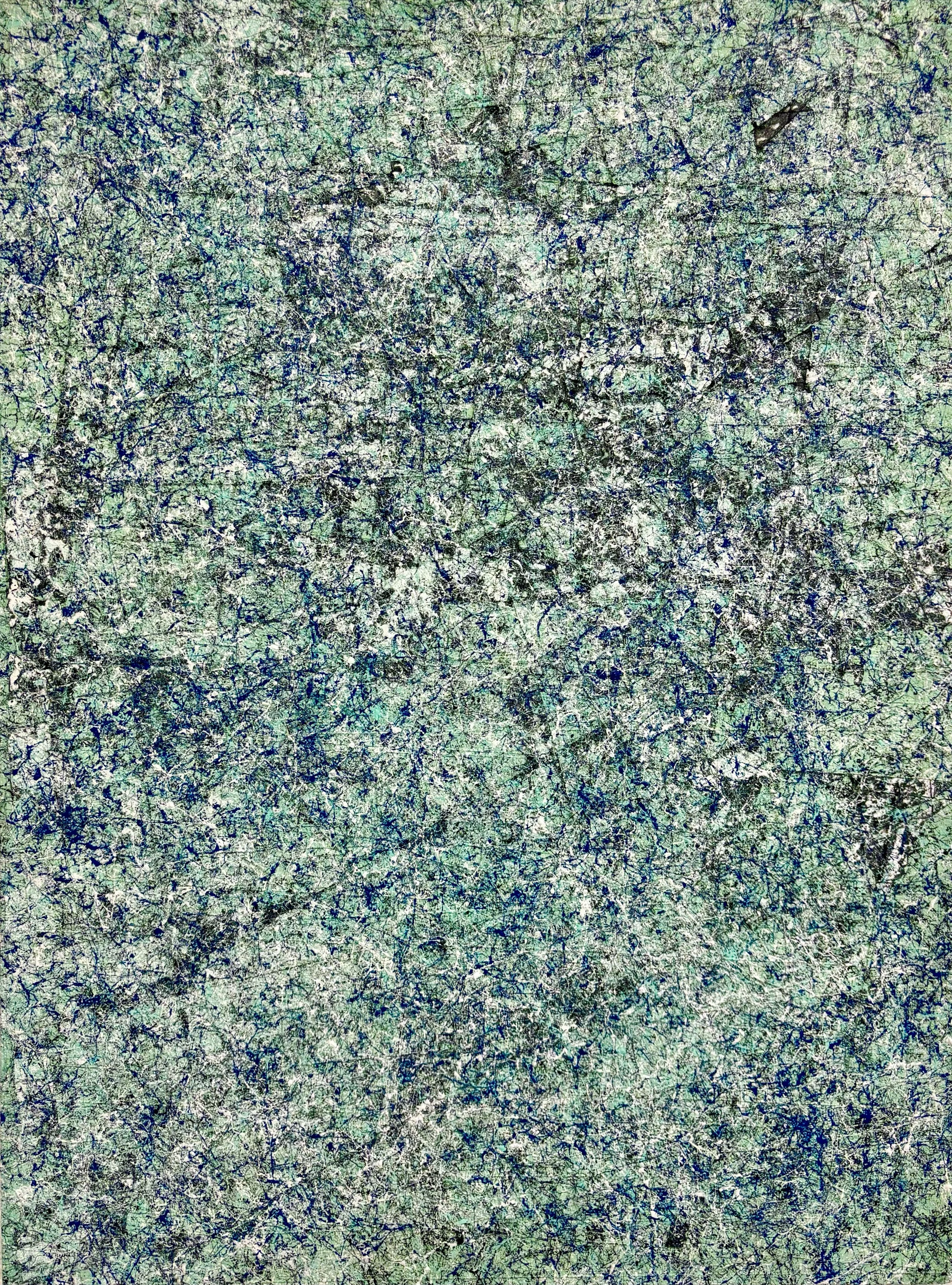
In this series, Bentama posits that the spirit is a territory carrying its own sedimentations and scars, subjected to the same forces of impact as the physical body. Through Residual Soul Layer, he maps the invisible architecture of the self, treating the canvas as a site of psychic excavation. These works function as an archaeology of the psyche, capturing the persistent essence—the "soul layer"—that lingers even when the physical or social structure has been compromised. Through dense textures and layered compositions, the series explores the spiritual sediment that outlasts rupture, revealing a core identity that remains intensely present and unbreakable.
object memories
The material witness
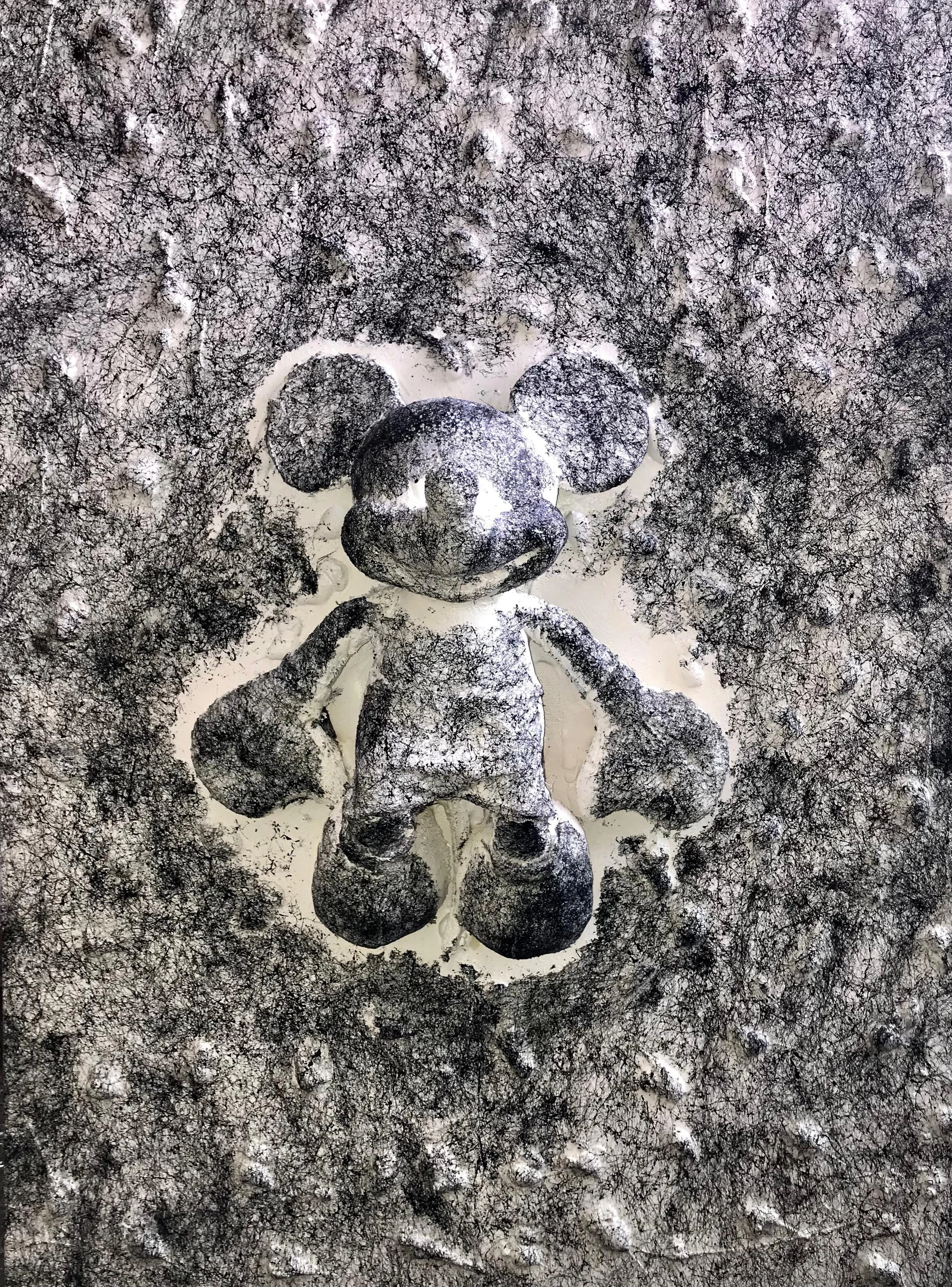
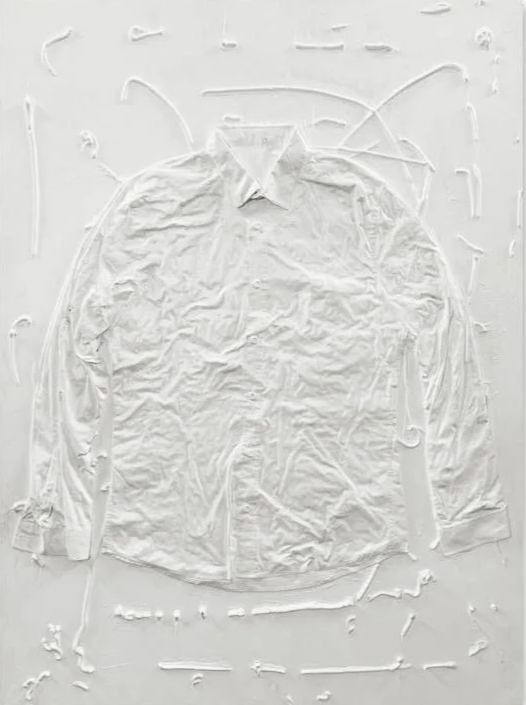
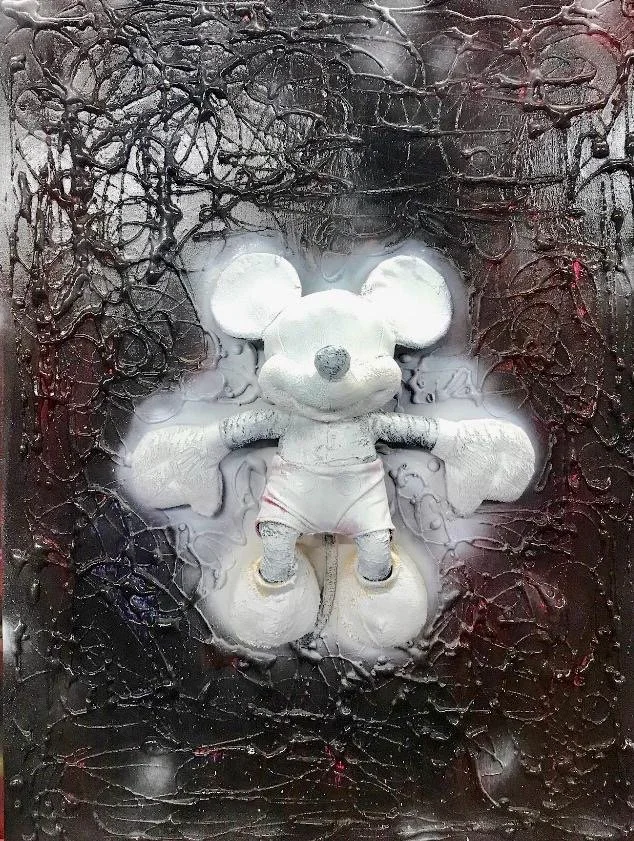
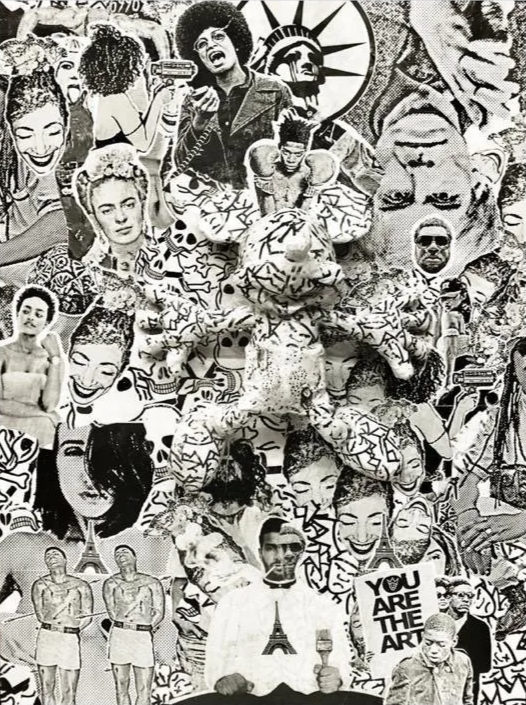
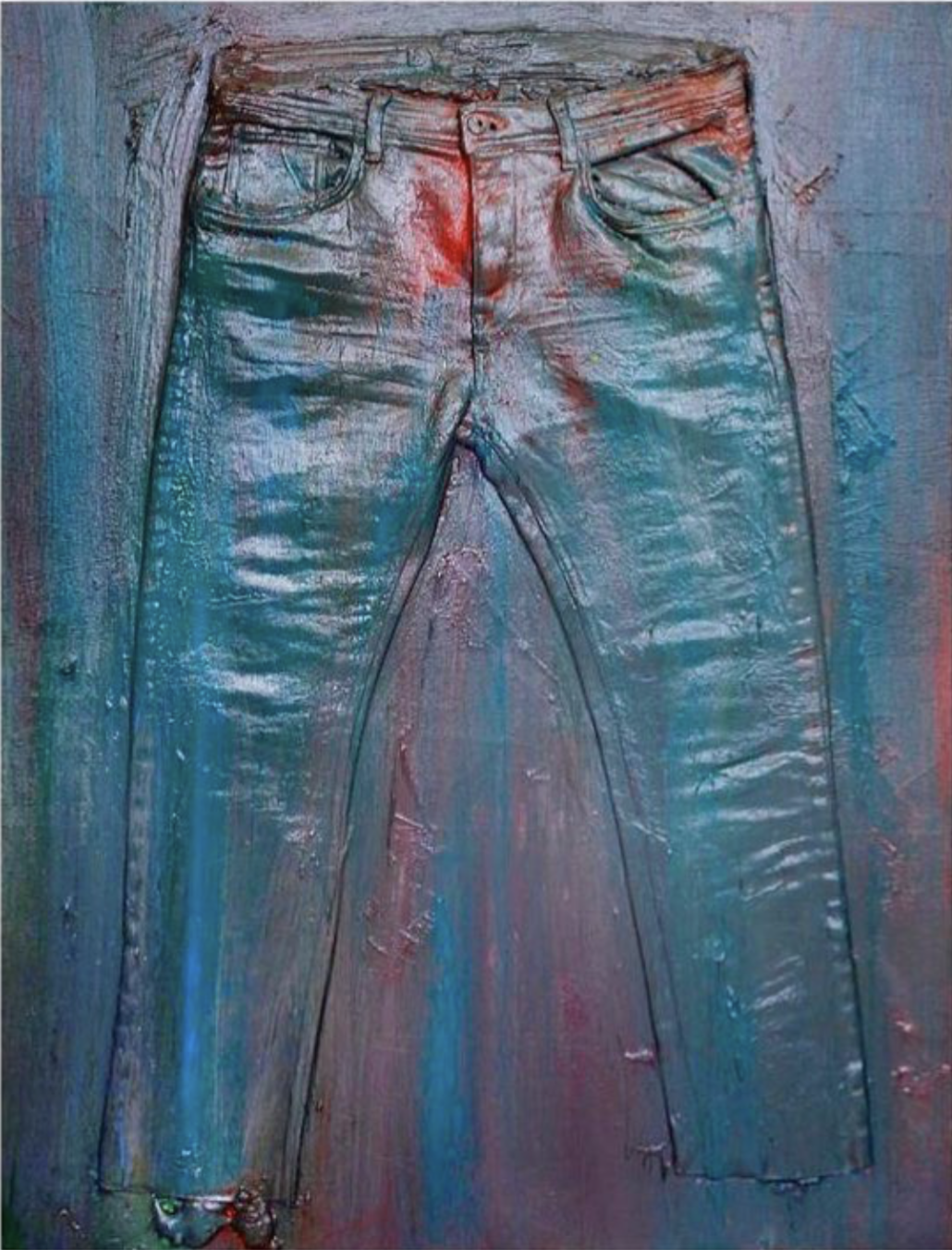
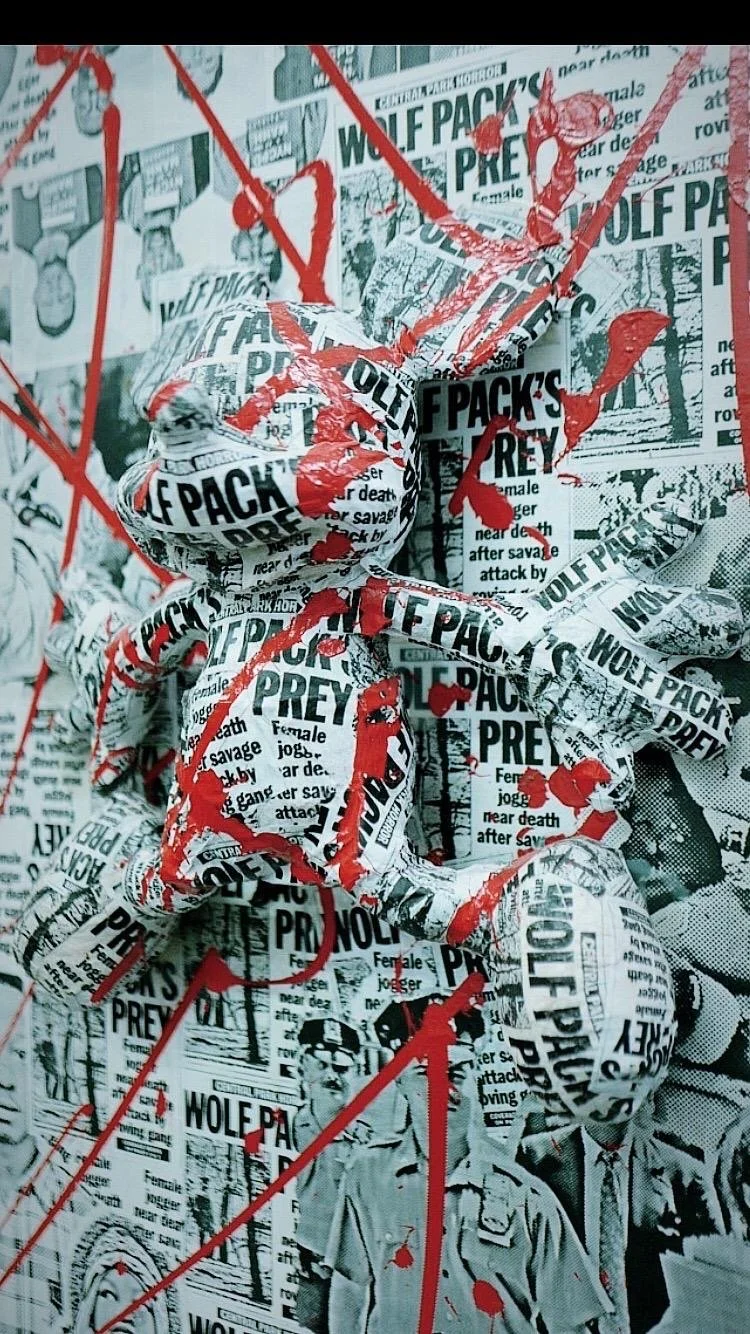
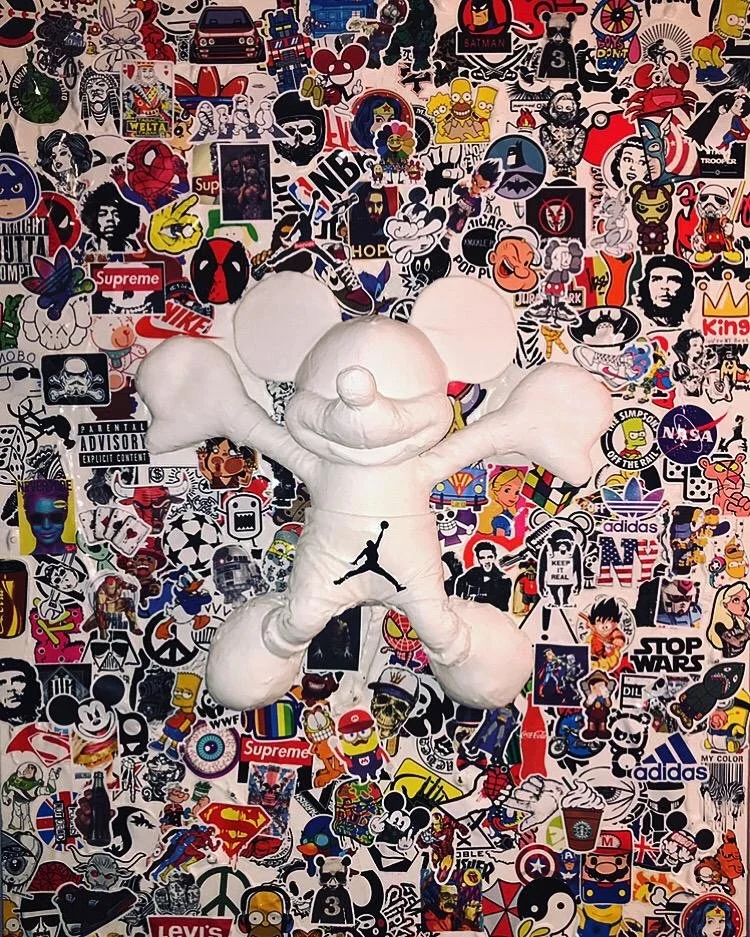
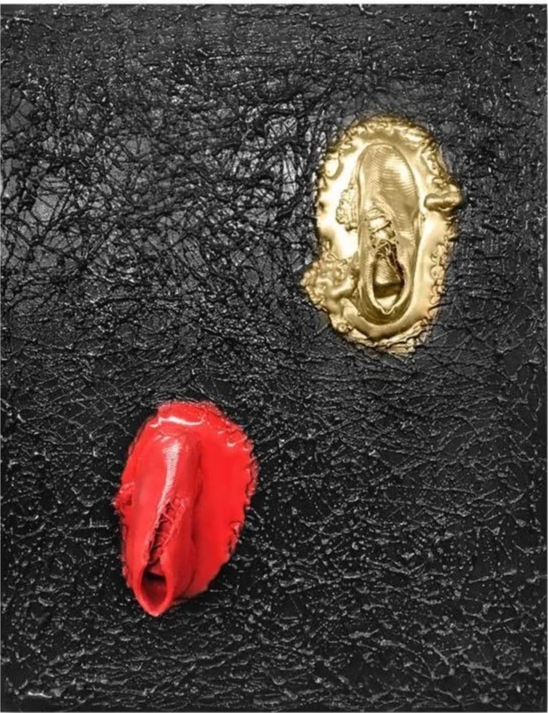
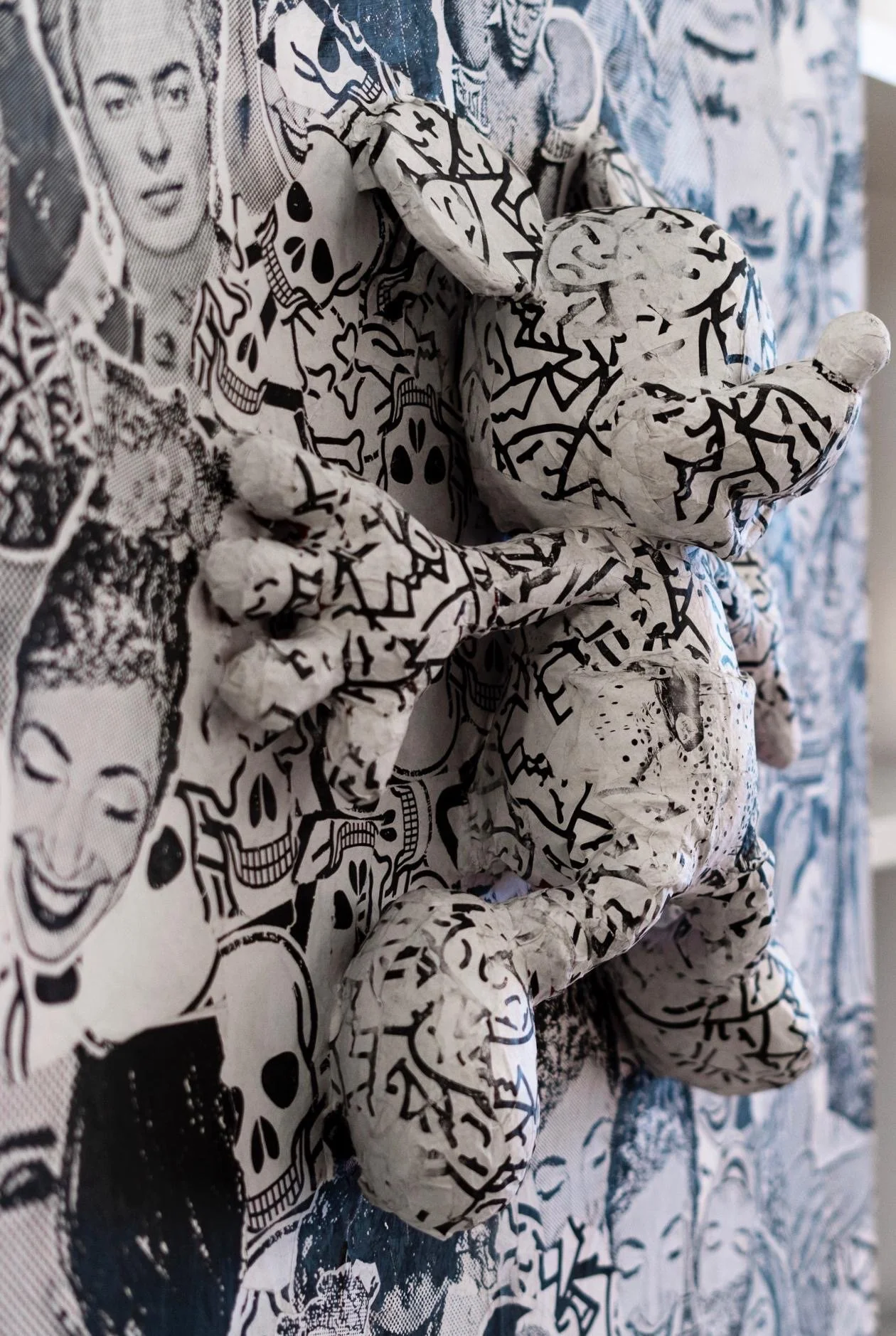
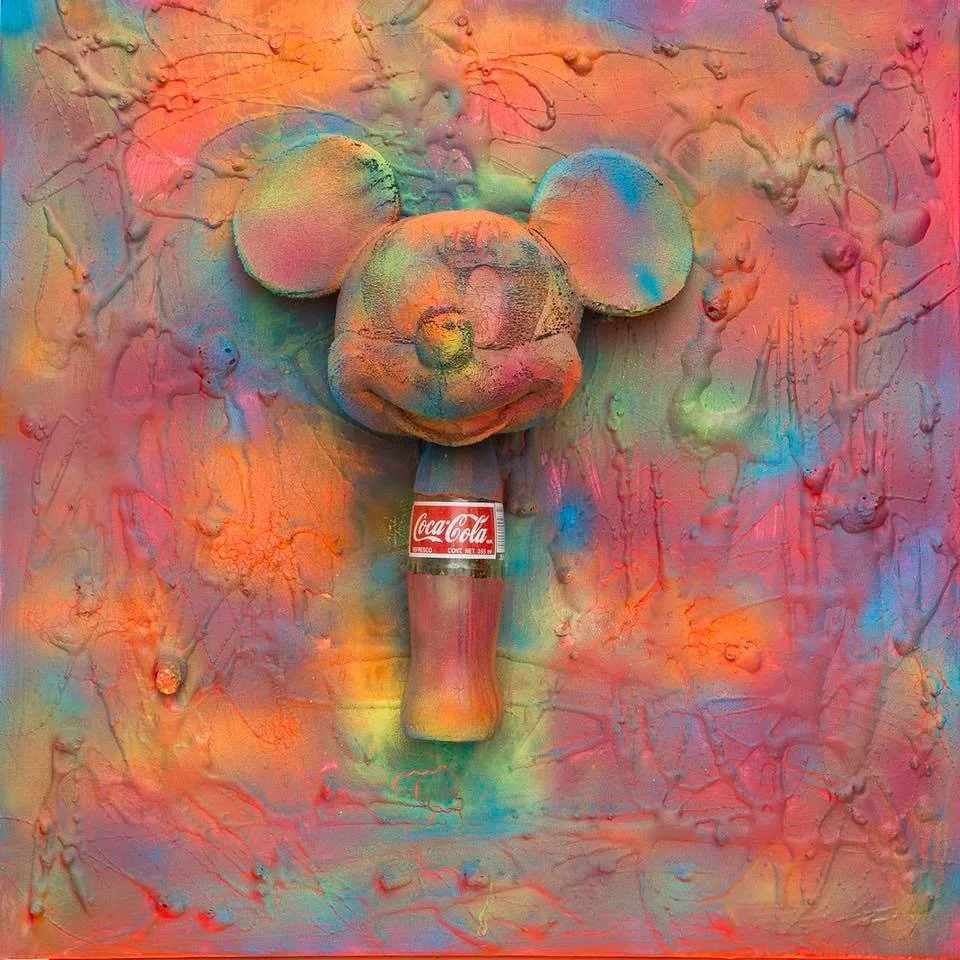
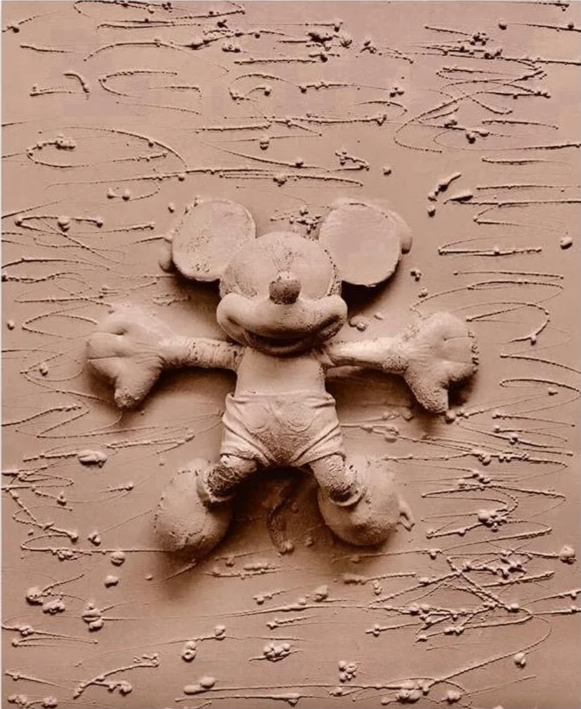
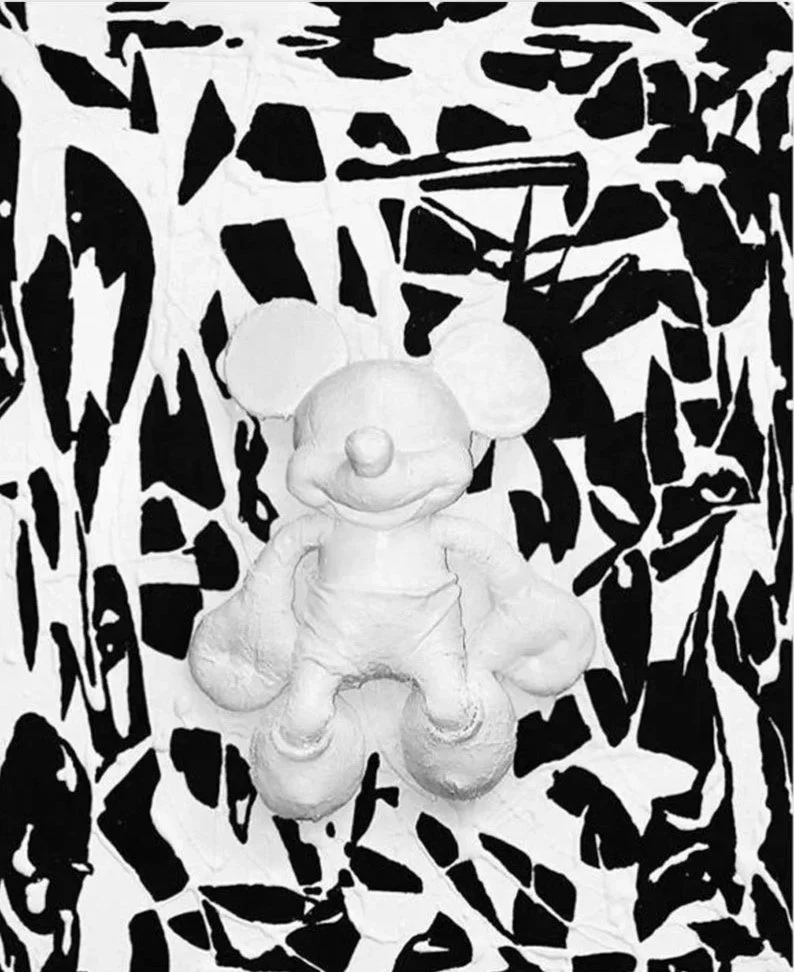
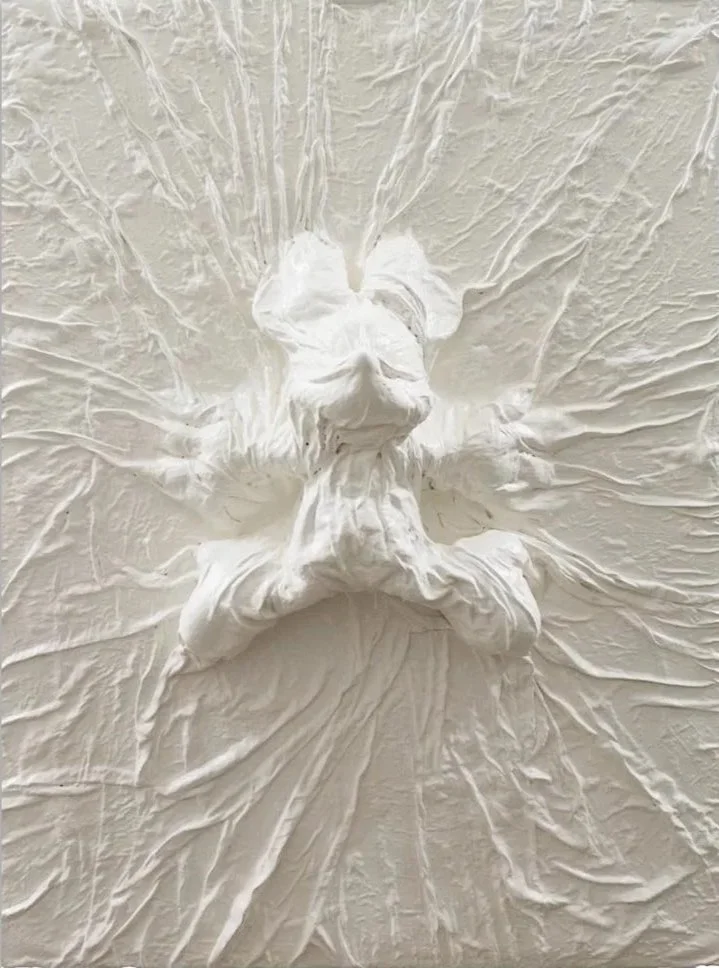
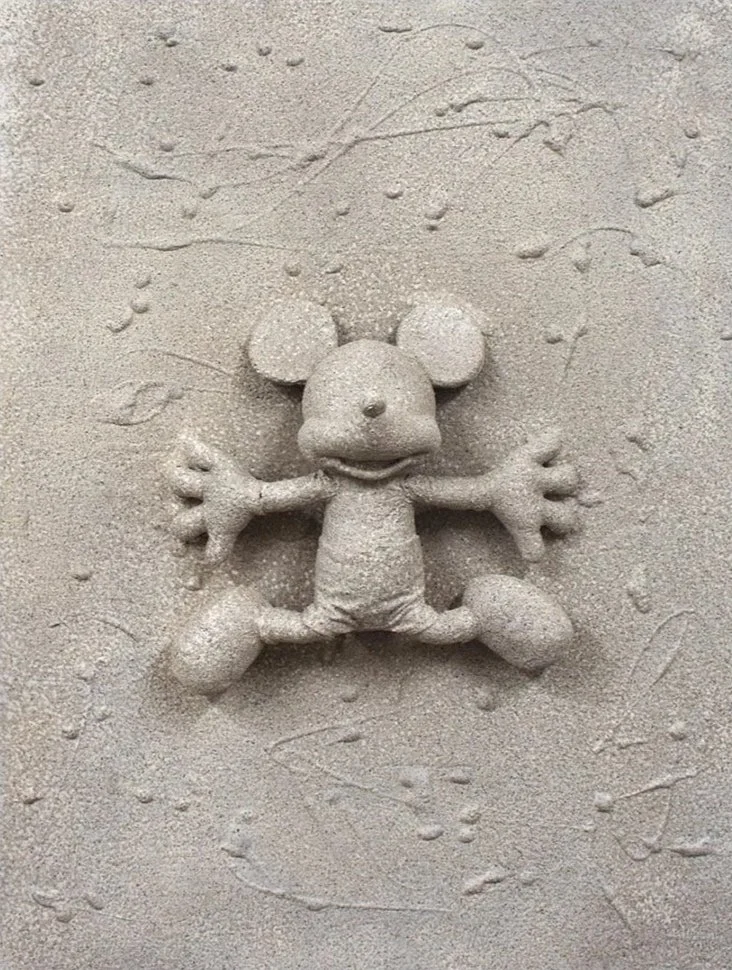
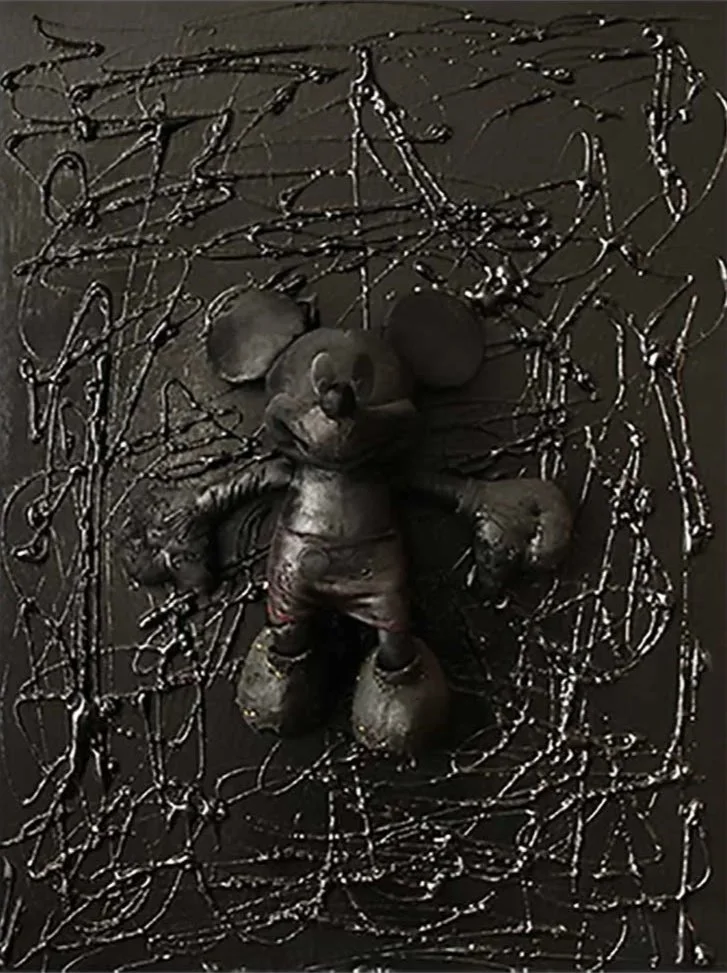
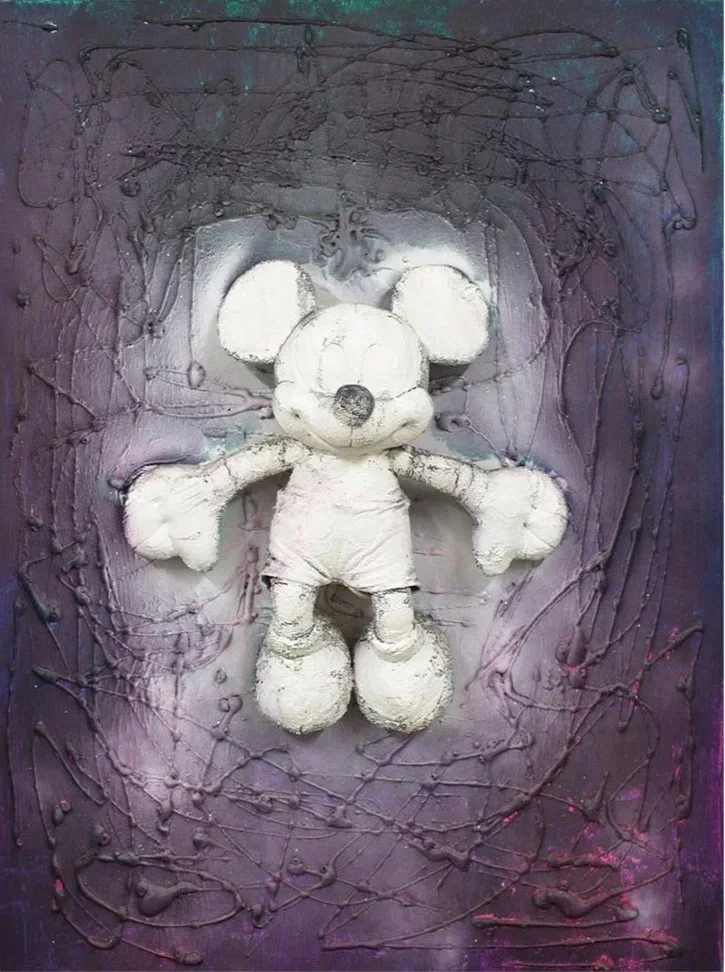
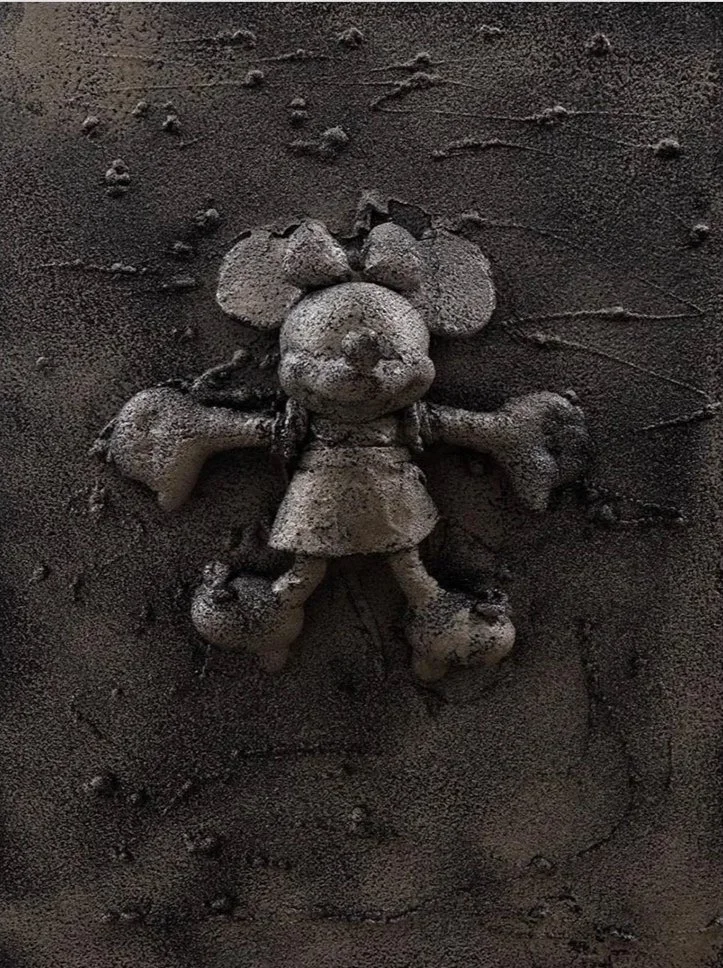
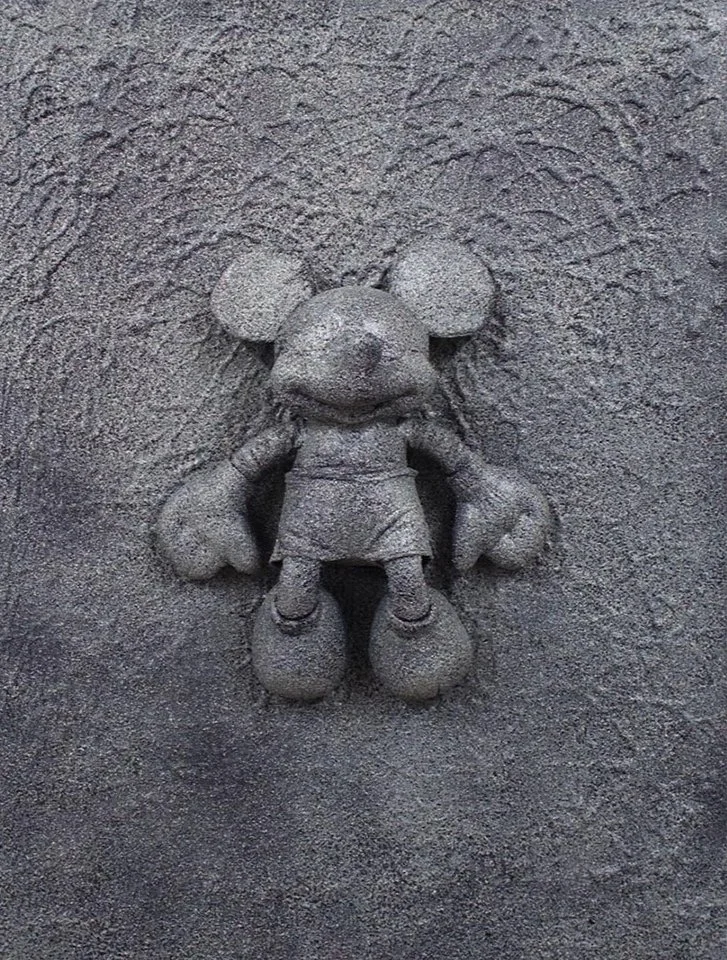
IHis early work laid the foundation for this inquiry by integrating childhood icons, such as Mickey Mouse, alongside a variety of everyday objects. Rather than pop imagery, these were treated as material anchors, artifacts carrying their own histories and collective memories.
These objects function as witnesses embedded in the work, providing a tangible link to reality before the practice shifted toward the radical abstraction of the canvas itself. This series laid the conceptual and physical groundwork for what would later become a more radical shift:
the abandonment of the object as subject, and the move toward the canvas itself as the primary site of impact, rupture, and transformation.